Better Health Solutions - Page 93 of 147 - Useful Information about Products, Services & Solutions to Help Maintain & Improve Your Health & Well-Being

Hay Fever and Gut Health

What does got health have to do with hayfever or seasonal allergies? Probably a good deal more than you might think.

Allergies and hayfever are an inappropriate defensive response to pollen and other substances.

According to Dr. Joseph Mercola, “Besides being associated with inflammatory bowel diseases like Crohn’s and ulcerative colitis, or celiac disease, leaky gut can also be a contributing factor to allergies.”

It’s true that pollens can be extremely irritating. When you look at them under a microscope, some look like medieval torture devices.

Your body wants to rid itself of irritants, so when you’re exposed, you may sneeze to blow it out. Or produce mucus to rinse your sinuses. Or even develop a tickle so that you grab a tissue to blow your nose.

This isn’t really an allergy… just your body taking care of housekeeping.

Much of the hayfever problem and asthma, too is caused by food allergies. It’s like the inflammation caused by an allergy to specific foods or food groups becomes contagious, and spreads to the respiratory system.
And food allergies begin in the gut.

When your intestinal lining loses integrity or leaky gut syndrome, it allows in completely digested food particles into your bloodstream. Your immune system doesn’t recognize these too-large particles as nutrients, so they’re considered to be invaders, and are attacked and disposed of.
It also creates antibodies to those particles. These are sort of like the FBI’s most wanted list, so the immune system can quickly identify and subdue these substances, should they ever decide to invade again.

From Dr. Mercola again: about a third of seasonal allergy sufferers have Oral Allergy Syndrome. Sometimes your immune system is fooled by similar looking proteins. So when a pollen molecule is structurally similar to a food molecule you’re already allergic to, Your immune system looks at the protein molecule and says, ‘Close enough!’ and attacks it.

Most doctors who treat allergies holistically will want to reduce the allergic threshold by using an elimination diet. Because adverse reactions can be delayed sometimes, it’s recommended to stay on the special diet for at least 10 days to properly narrow the field.

The top ten common food allergens you may want to avoid:

Eggs, fish, shellfish, nuts and peanuts will usually have an immediate reaction.
Milk, chocolate, wheat, citrus fruits, and artificial colorings often have a delayed reaction.

The American Academy of Allergy, Asthma & Immunology recommends using a Neti pot to irrigate your sinuses daily with saline solution. This safely flushes out pollen and other irritants. Though it won’t cure your allergies, it can help with symptoms, taking some of the pressure off while you’re getting to the root of the problem.

Resources:
https://articles.mercola.com/sites/articles/archive/2013/04/18/allergy-season.aspx
https://doctormurray.com/health-conditions/allergies-and-hayfever-2/
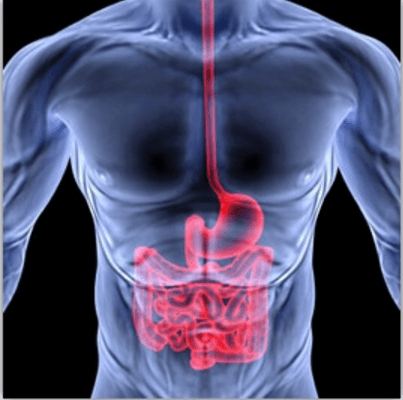
Gut Health and Weight Loss

Do you have trouble losing extra weight even though you’re exercising regularly and eating healthy foods?

Starving yourself to lose weight isn’t good for your body, and a super hard-core exercise program may not be the answer, either. These are both extremes, most people’s needs fall somewhere in between.

So let’s take a closer look at something that’s becoming a near epidemic in Western culture, because it very well may apply to your situation.

Just as it takes a village to raise a child, it also takes a bacterial community to keep YOU healthy.

Yes, you have a village of microorganisms living inside you. It’s a symbiotic relationship. You rely on each other for survival. This community is called your Microbiome, and it lives in your intestinal tract.

When this community is in balance, it helps you with digestion and absorbing nutrients so you can create energy for your body to use. It helps to keep your hormones balanced, so that you feel appropriately hungry or satisfied. When it’s out of balance, stuff starts to hit the fan, and chaos ensues.

How does the microbiome get out of balance?

The overuse of antibiotics may be the biggest cause. Even if you don’t take antibiotics, you likely get them indirectly through the food you eat. Up to 80% of the antibiotics sold in the US are fed to livestock for various reasons.

Antibiotics kill bacteria, and they don’t discriminate. So you lose the helpful ones, too. Unfortunately, the bacteria we call “bad” earn that label because they are so adept at repopulating. You get an overgrowth… An imbalance.

Chlorination and fluoridation in municipal water supply also do a number on gut bacteria.

The resulting imbalance leads to inflammation, which can cause weight gain all by itself. And it also causes a permeability issue in your intestinal lining, commonly known as leaky gut.

This leads to your immune system reacting badly too many foods that are normally considered to be healthy. Which releases another negative cascade of more health problems.

As if this weren’t enough, the bacterial imbalance also causes a hormonal imbalance. Which can affects metabolism, mood, sleep, the ability to think clearly, skin breakouts, and more. Particularly those hunger pangs you get even though your brain knows that you’ve had plenty enough to eat.

And we are not done yet. Sometimes this in balance can be a bit sneaky. You may not realize you even have digestive problems, because you don’t have the typical heartburn, gas, or bloating you most often hear about.

So if you’re eating a reasonable amount of healthy foods, and you still can’t lose that extra weight, why not try healing your gut? It just may be the answer you’re looking for.

Click Here To Learn Why Excess Abdominal Fat is Not Only Ugly, but Extremely Dangerous to Your Health – This is More Than a Vanity Issue!

GMOs and Gut Health

GMOs (genetically modified organisms) have genes from another species transplanted into their DNA. This is done to increase production or yield or add some other previously nonexistent quality to the organism.

These experimental organisms have so far been mostly plants, but animals are also being modified.

This is not the same as hybridizing. Hybrids are created through breeding. Genetic modification is actual transferral of DNA material from one species into another in order to achieve some desired characteristic.

To be able to insert the foreign DNA into the recipient plant or animal DNA, either a virus or bacteria must be used as a sort of carrier. 

As bizarre as the genetic transfer may seem, perhaps the bigger problem is the use of these viral and bacterial carriers. We’ll come back to that in a minute.

One of the targeted characteristics of GMOs is called Roundup Ready. This means that the herbicide glyphosate (Roundup) can be sprayed on the crop without killing it. Evidently the weeds must be developing tolerance for this herbicide, because more and more of it is being used every year. Much of this glyphosate is absorbed into the plant and ends up in our food.

Glyphosate acts like a highly targeted antibiotic in the guts of animals and people. Unfortunately, it targets only our beneficial bacteria- the microbes that help with digestion, detoxification, hormonal balance, immune system and more. It has no effect on pathogenic bacteria like E. Coli and botulism. This throws off the delicate balance of friendlies and unfriendlies, which will become a big problem sooner or later.

Another characteristic that has been added to GM corn is Bacillus thuringiensis (Bt) a pesticide that occurs naturally as a soil microbe. It has been sprayed on crops for decades by organic farmers to deter insect damage. 

Now the middleman has been eliminated by inserting the pesticide directly into the plant. It wasn’t supposed to affect animals, only insects. It kills pests by creating holes in the cell walls in their digestive tracts.

Surprise! That’s also what it does to cows that are fed GM corn, and to humans, too. Destroying the integrity of the cells naturally leads to leaky gut and to all that it entails.

Believe it or not, it gets worse. When we eat plants, we chew and digest the plant material. Under normal circumstances, the DNA from that plant doesn’t impose itself on us like some sort of invader. Instead, we extract the nutrients from the plant to use in our own body processes. 

Bt is a bacteria that has been forcefully inserted into plants.  Somehow this bacterial DNA is separating itself from the plant material being digested. It appears that Bt can survive and replicate itself in our own gut Microbiome, essentially turning us into pesticide factories. Basically the Bt can continually injure the gut lining because instead of flushing out of the system within a few hours, what it’s supposed to do, it’s moving in and raising a very destructive family.

Similar to this scenario, those bacterial and viral genetic carriers mentioned above have been discovered in the digestive tracts of bees. It’s normal for bacterium to exchange genetic material with one another. It’s part of the way they communicate.
But these microbes appear to be cross breeding with the bees’ natural bacteria and creating new varieties.

The gut biomes of bees and humans are closely related. It’s being theorized that maybe the same thing is happening in human digestive tracts as well. And that it could be a part of the cause of the explosive increase in food allergies in recent years.

Realistically, we don’t know the extent of damage that has already been done, or what is still to be discovered. Sometimes the wisest move is to assume the worst, and do your best to avoid GMOs until we know how to fix the problems.

Digestive Enzymes and Gut Health

Your body is designed to digest the food you eat; it creates hydrochloric acid along with various enzymes for just that purpose. So why might you consider taking them as a supplement?

Well if you seem to get gas no matter you eat, or you often suffer from heartburn or indigestion, or if constipation is an issue for you, it probably means that there is something not quite right with your enzyme production. In order to be able to absorb nutrients, your food has to be broken down microscopic particles. Anything that’s not totally broken down starts composting somewhere in your intestinal tract, leading to any number of problems.

But before you start taking pills, let’s look at how the digestive process works, or at least, how it’s supposed to.

Digestion actually starts before you ever pick up your fork. Ever notice that smelling something delicious can make your stomach growl? That’s your body realizing that food is on the way, and starting to pump out digestive juices to get ready for it.

And as woo woo as it may sound, it’s important to look at your food and appreciate it before you begin eating. Gratitude for the cook, the farmer, the grocery store, for the Creator, feeling thankful allows your digestion to work better.

Next, chew your food thoroughly. Yes, just like your Grandma probably told you when you were little. This obviously mechanical step also stimulates the production of saliva, which contains the first round of digestive enzymes.

Your stomach produces acid that begins breaking down proteins. This acid also signals your gall bladder to release bile, which begins breaking down fats into fatty acids your body can use.

After this mixture churns for awhile, your pancreas takes over. It neutralizes the stomach acid and releases enzymes that further break down the food.

If all has gone well, by the time it gets to your small intestine, macronutrients have been broken down into micronutrients, which can be absorbed into your bloodstream.

If not, well, that’s how you get those symptoms we talked about earlier.

All of the different digestive actions are necessary for the whole thing to work. Remove or inhibit one piece, and the rest of the process suffers.

There are a few diseases that affect enzyme production, but one of the biggest causes of enzyme deficiency is Leaky Gut Syndrome (LGS). This is ironic, because enzyme therapy is also crucial to heal leaky gut.

Depending on your situation, your healthcare practitioner may suggest the use of hydrochloric acid therapy, or other enzyme combinations. Proper use of supplemental enzymes can help to heal your body’s ability to once again create the enzymes it needs.

But Whole Grains Are Supposed To Be Good For You

For years, we’ve been taught that eating whole grain foods – from bread to pasta – is what’s best for building good health. And whole grain truly is better than the refined version of foods: more vitamins are retained, a lot more of the beneficial fiber is available. And many would say there is more flavor, as well.

But recently, it seems as though wheat has gone totally out of style. Everywhere you look, you see gluten free this or that. 

And not just the gluten free aisle at the grocery store… Many restaurants now feature a no gluten section in their menus. Gluten free birthday parties for the kids, and gluten free snacks for soccer practice.

So what happened? How did we get from whole wheat to no wheat, and how did it happen so quickly?

Likely this move began a number of years back when it was discovered that there seems to be a connection between a child’s ADHD and their diet. And one of the villainous foods turned out to be wheat.

Typically this was a bit rough on both kids and parents, because it was so unusual not to be able to eat bread, or cake, or even that childhood staple, spaghetti. Having to eat differently can really set a kid apart, which is usually the last thing children want to happen. But gradually, this no- wheat requirement became better known, and much less a stigma. But knowledge spread slowly.

And then there was Paleo. 

Ridiculed at first, eating like a caveman was touted as the perfect way to lose weight. You could eat red meat. And bacon. Don’t forget the bacon!

The business of weight loss is huge. More than 60 billion dollars spent in the U.S. in 2014 alone. That much money can make for some powerful momentum.

And the Paleo way of eating for weight loss really does work for most people. Especially when vegetables take up at least as much room on the plate as does that coveted meat. 

Probably the biggest reason for its ability to help people take off those extra pounds is that sugar and most grains aren’t allowed on the diet.

Humans have likely been eating wheat in many forms for about 10,000 years, and will probably continue to do so. But I’ll wager that having the choice of eating wheat free won’t be going away any time soon.

Tuning into your Energy with Reiki

Many of the processes of the body are related to energy within it. Reiki can help you tune into your energy in a number of different ways.
If tuning into your energy sounds weird or New Age, just consider how a pacemaker is used to help a person with something wrong in relation to their heart beat. Cast your mind back to science class and recall that Luigi Galvani was able to get dead frog’s legs to move through electricity. In this way we can see clearly that a body’s health and functions both rely on energy.

Meridians and chakras

Two of the main ways to tune into your energy using reiki is through meridian and chakra work. There are 14 primary meridians and 7 chakra. The 14 primary meridians don’t just connect to your energy, they connect to your organs as well, enhancing health and healing. The 7 chakras control particular kinds of energy in the body, from the desire for safety and security at the root chakra at the base of your spine, up to your mental and spiritual energy at the crown of your head.

As you study reiki, you will learn about each of these forms of energy and how to harness the through both ‘hands-on’ healing and through the power in your palms as you hover them over the body to build, balance and focus the energy.

The reiki attunement

In most cases, people visit a reiki master and enjoy various treatment sessions, with this expert guiding their energy. However, if you feel that reiki energy healing is perfect for you and that you would like to learn more about it, your first step on this path would be a reiki attunement.

The attunement is a ceremony in which you receive the power of healing from a qualified reiki master. In order to be qualified, they must be able to trace their teacher, their teacher’s teacher, and so on, all the way back to the first reiki master Usui, in an unbroken line called a lineage.

Once you receive your attunement, this help you tap into your own energy and will deepen your study and practice. If you wish to help others, you could study Level 2 reiki. Some people like to receive an attunement for that also as they receive their special set of reiki symbols as well, but it is not essential.

If you constantly feel out of balance, or as if something or someone else seems to be running your life, it might be time to get to your know energies better

The 3 Levels of Reiki Training

Reiki, pronounced RAY-key, is a form of healing using the energy within the body. It is considered to be a legitimate form of complementary and alternative medicine (CAM), that has its origins in Traditional Chinese medicine (TCM) and Ayurvedic medicine from India. TCM and Ayurveda have been practiced for more than 5,000 years and reiki for about 2,500 in Tibet, and in the last 100 or so years as reiki in Japan. It is therefore well-documented in terms of its effectiveness to support both overall wellness, and specific goals for healing.

Traditional Japanese reiki was founded in the late 1880s and systematized by Mikao Usui based on his own studies and experiences with healing. In his lifetime, he passed on his teachings to more than 2,000 students. This is important to note because in order to start on the path to healing with reiki, you need to receive what is called an attunement from a qualified reiki master.

There are 3 levels of reiki, 1, 2 and Master. There are levels of Master in certain forms of reiki, but each level will give you a general idea of the amount of study and skill involved. Level 1 is for beginners. Once you receive your attunement, you can start to travel on this path. You will learn about the energy centers of the body such as the meridians and chakras (energy centers in the body) and be able to do your own hands on healing in the comfort of your own home.

If you become really interested in the studies and wish to help others, you might then decide to study Level 2 reiki. In this case you will learn how to work with others in person, and from a distance as well. You can help people and even pets with this effective healing modality.

If you really love helping others, you might then choose to deepen and expand your studies, and undertake to become a reiki master.

Reiki isn’t just a destination, it’s a journey of body, mind and spirit as you attempt to heal all three. The best way to start is to go for several treatments and see how you feel after them. If they’ve made a significant difference to your energy levels and outlook on life, ask your practitioner if they are a master, or can recommend one.

Ask about their lineage and why they became a reiki master. If you like what you hear, you can get an attunement from them and follow this fascinating new path to healing.

Reiki and other Healing Energies – An Introduction

reiki session

A lot of people have heard of reiki and other forms of traditional healing from the East, but aren’t sure how they work, or even if they actually do work.

The truth is that reiki DOES work, according to numerous studies and is just one form of what we can term energy work, using the body’s energy to heal physical and mental issues. Some of the most common and familiar forms of energy work are acupuncture, acupressure, chakra work and reiki. Reiki has a lot in common with all 3 of these healing modalities, and a few key differences.

Acupuncture and acupressure are the most familiar forms of Traditional Chinese medicine. Each uses the meridians, 14 different energy centers of the body, in different ways. With acupuncture, thin metal needs are used to balance, stimulate or adjust the energy within the meridian.

With acupressure, a finger or knuckle is used to press hard on each meridian and get the energy to unblock and flow once more.

Chakra work comes from traditional Indian (Ayurvedic) medicine. The word chakra means wheel or vortex of energy, and the 7 chakras are believed to be the seat of certain forms of energy, such as the heart for love and compassion and the throat for effective communication.

Reiki, pronounced RAY-key, means spirit energy. It is commonly translated as universal life force energy. Its goals is to balance and move around the ki or qi, (pronounced CHEE), or vital energy that keeps us alive and healthy. If the qi stops flowing, illness can result.

Reiki is different from acupuncture and acupressure because it is a form of “hands on healing,’ laying hands on the body in certain positions to balance the meridians, but without pressing hard. It can also be done without touching the person at all.

It is also different because it works with the chakras as well. Depending on the style of reiki used, some practitioners will just focus on overall health and balance, such as Western style. Japanese traditional practitioners will aim for deeper healing.

If you’ve been feeling run down and as if your get up and go has got up and went, it might be time to try reiki. It’s the gentlest of all energy work modalities, and can enhance body, mind and spirit if you give yourself regular treatments and practice clean living on the days you don’t have a treatment.

Easy Self-Care With Reiki

Reiki is a great addition to any self-care routine. It does take some time to learn, but once you do, you can treat yourself any time you need to.

Reiki is a form of spiritual healing which uses the energy in the body, the ki, or qi, (CHEE) to balance and heal. It has its origins in Traditional Chinese Medicine (TCM) and was practiced for more than 2,500 years in Tibet, until it fell out of fashion. In the late 1800s, it was rediscovered by Mikao Usui of Japan and turned into a system that modern people could study and get great benefit from.

It is important to know this because reiki should be taught by a reiki master, who will give what is termed an attunement so you can learn the hand movements. Then you can give yourself treatments on a regular schedule. The ideal schedule is 3 days in a row, followed by 18 days in which you can do other things like meditate and do other forms of energy work.

Reiki has been associated with many health benefits, but here are a few easy ways to use it for self-care regularly:

Balance and boost your aura
Your aura is your armor against the world and the impression you convey to others. Your aura should be strong all over, not thin in places, or else this might cause imbalance and disease, or people taking advantage of you. Polish your aura with reiki.

Identify your main health issues.
As you work your way along your body and then each of the main energy points during each reiki session, the meridians and chakras you will be laying your hands over, you might sense low energy or some other issue and focus your power there. For example, the organs are linked to the meridians, so focusing on one meridian in particular can offer deeper healing.

Enhance your concentration and mood
Each reiki session involves 3 things, starting, healing, and concluding in a way that is mindful, that is, in a state of focus and awareness. This is usually through meditation. Meditation can help you balance body, mind and spirit, and improve your concentration. In this way your mind will feel clearer and your mood uplifted.

If you’ve been struggle with health issues or just don’t seem to be able to stop feeling stressed and worried, reiki could be the perfect healing path for you.

7 Ways Reiki Can Help Heal

There are a number of ways reiki can help heal your body, mind and spirit. Reiki is a form of energy work designed to balance the human energy field (aura) and the energy centers (14 meridians and 7 chakras) to increase and balance for healing.

The theory is that the ki or chi, the life force energy, is low, or blocked, disease, that is, dis-ease results. The illness could be physical or mental. Sometimes it can be both, such as stress and anxiety, which trigger worry and all of sorts of physical manifestations, such as:

Headache
Upset stomach
Grinding your teeth
Poor sleep, and more.

To start on the healing path of reiki, you need to find a reiki master who can treat you. There are many different styles and types of reiki. The important thing is to find someone who can trace their teachers, that is, their lineage, back to the person to systematized reiki, Mikao Usui.

Once you meet the reiki master and have a few treatments, you might decide you really like them and want to study more. In this case, you can get what is called an attunement from you master and then be able to study Level1 reiki.

Once you are a Level 1 practitioner, you can heal yourself through structured sessions and a regular calendar. In this way you can heal a number of issues. Here are a few of the well-documented healing benefits of reiki:

Pain relief, even from the chronic pain of arthritis

Deeper relaxation to aid the body in resting and rejuvenating, and improved mood

Relieves insomnia and offers not only longer sleep, but a better quality of sleep to relieve stress and help heal.

Boosts the immune system through increasing circulation in the body of both the body and lymph, which is used to fight disease

Removes toxins from the lungs and body overall, especially if you adopt a clean lifestyle and stop smoking, overeating, drinking alcohol, and so on

Reduces high blood pressure and other stress related health conditions.

These are just a few of the ways that reiki can boost and balance your energy in order to increase your health and well-being. If you’re tired of feeling like a flat battery all the time, find a reiki master for treatment and study, and see what a difference it can make to your life.

1 91 92 93 94 95 147