Better Health Solutions - Page 91 of 147 - Useful Information about Products, Services & Solutions to Help Maintain & Improve Your Health & Well-Being

Diet and Cancer

Not too long ago, within living memory of those now consider aged, cancer did occur, but at nowhere near the rate seen today. The last few generations have seen such an explosion in diagnoses of cancer that people describe it as a cancer epidemic, even though cancer is not contagious. For many of those who have lost a loved one to cancer, their greatest fear is contracting some form of cancer themselves and they live a life of dread between doctors’ visits.

Worldwide, billions are spent annually on cancer research. Researchers look for causes, triggers, clusters, and commonality. They test drugs, foods and other methods to reduce or remove tumor growth.

Those who lack medical knowledge talk hopefully of a ‘cure for cancer’, as if one day there will be either a surgical procedure or a pharmaceutical product that will magically stop and reverse all the different types of cancer. Many people have overcome cancer; they usually speak of being in remission, rather than cured; hopefully the remission will last the rest of their lives.

Diet and Cancer

Researchers crunch the data to discover a common theme or cause for the exponential increase in cancer incidence. They are finding that in step, in time is the change of diet in those societies where cancer is increasing. In so-called advanced societies, over the last eighty years or so, diets have changed dramatically.

What is also entering public consciousness is that the increasing incidence of cancer may also be related to these changes in diet. This does not necessarily mean that diet is the cause of cancer, as the likelihood of contracting cancer may be greatly influenced by genetics and environmental causes. However, most non-accident maladies have components of both breeding (genetic pre-disposition) and feeding (environmental and dietary influences).

Where once a big health risk was malnutrition or starvation, today it is more likely mal-nutrition – overconsumption of poor dietary choices causing a raft of lifestyle diseases.

A normal diet of rationed servings of mainly vegetables and meat (complex carbs, protein and meat-derived fat) with plain water as the main or only drink has morphed into a normal diet of very large servings of an incredible variety of pre-cooked and processed foods.

Today, every day, in addition to eating some highly processed meat and maybe some vegetables, often containing taste enhancers such as sauces, crumbing, etc. (simple carbs and modified vegetable fats) most people also consume desserts (simple carbs), snacks (simple carbs) with soft drink (more simple carbs) as their main fluid source.

Dietary Links to Lifestyle Diseases

There are indisputable parallels in the dietary changes and the health problems in western societies. Obesity, type two diabetes and cancer appear more commonly to be linked not only to one another, but to diet. Data studies prove that increased cancer incidence is linked to obesity. If type two diabetes is confirmed the incidence is even higher.

Observations of indigenous societies and those who have maintained traditional diets show no noticeable increase in markers for these diseases. Where western influences have changed the diets of others, their disease rates have exploded within a single generation. There is an incredibly strong correlation between diet and the incidence of cancer, as well as diabetes and obesity.

The Future and You

Relevant studies are ongoing, but research costs money and the big money is to be made in the production, sale and promotion of foods that are based on taste and therefore repeat sales rather than health. Cancer is a disease where prevention is thousands of time better than a cure, as anyone who has dealt with cancer can affirm.

Even if the weight of non-dietary factors is against you, you have the power to massively reduce your likelihood of succumbing to cancer by taking positive control over the food you eat. Anyone who is concerned about avoiding cancer should take steps to largely eliminate simple sugar foods and highly processed foods from their diet. There are plenty of healthy unrefined choices available as replacements.

Caffeine and Your Health

We are all aware that coffee contains caffeine and is therefore a stimulant. What is confusing for consumers is the conflicting claims and counter-claims regarding the alleged health benefits and ill-effects of coffee. As with every other component of our diets, even the experts disagree.

Following are some of the documented effects of drinking coffee for what is considered average consumption. Effects of coffee consumption will vary greatly from one drinker to the next, and of course, volumes consumed will differ also.

Caffeine Absorption and Excretion

Once coffee is ingested, the caffeine goes into the bloodstream quickly and reaches its peak level in the bloodstream within thirty to sixty minutes.
However, you can feel an increased level of alertness within ten minutes from the time of intake. Caffeine does not accumulate inside the body. Half of it is excreted within four hours of ingestion, while the other half remains inside the body for eight to fourteen hours. This is why many people who drink coffee have problems falling asleep at night.

It is best to avoid caffeinated beverages at least eight hours before bedtime. The length of time that the body takes to eliminate caffeine may also vary from one person to another. Some factors that can affect the total time of caffeine excretion include pregnancy, physical condition, body weight and the frequency of intake.

Safe Limits for Caffeine Consumption

The safe limits for caffeine consumption will vary depending on every person’s level of tolerance, age and health background. Each person has their own level of sensitivity and each person has a unique way of responding to the effects of caffeine.

For adults who have no health or medical issues, consuming up to 400mg of caffeine in a day may not cause unwanted effects. There is about 100mg of caffeine in one cup of brewed coffee. Many people drink much more than this and claim not to experience ill-effects. However, an individual can also build up their level of tolerance which means that larger doses of caffeine may be consumed before any negative effects are experienced.

Caffeine and Heart Palpitations

For people who are not regular coffee drinkers even just a single cup can raise their systolic blood pressure levels by up to ten points. However, for those who are habitual caffeine drinkers, such an effect may not be too pronounced.
Caffeine is also known to stimulate the intensity of the heart’s beating. Studies show that caffeine can boost the production of norepinephrine hormones which gives a feeling of an adrenaline boost.

Too much caffeine consumption can add to an increase in the amount of calcium in the major arteries of the heart. This excess calcium assists in the formation of arterial plaque, causing the artery wall to harden and reduce in diameter. Both heart attack and stroke risks increase when this occurs. A medical scan is available which determines the amount of plaque, from which doctors can make an estimate of the likelihood of these risks eventuating in the future.

Other Sources of Caffeine

Caffeine is not only present in coffee. Some teas contain small amounts. Two and a half cans of cola will supply about the same caffeine as one cup of brewed coffee. Not all coffee brands or types are equal. Each coffee brand can have a different level of caffeine content. Caffeine can also be obtained in surprisingly large amounts in many energy drinks. Chocolates can also contain some amount of caffeine.

Many people are not aware that caffeine is also present in many over the counter and prescription medications such as Vivarin, Midol and Norgesic Forte – just to name a few.

Reducing Coffee Consumption

While many people drink coffee every day, there are also many who have ‘kicked the habit’ and claim they are better for it. Others say there their health has improved by cutting back, or by committing to not drinking coffee after lunch.
If you love the taste and the socializing aspects of drinking coffee but are concerned about caffeine, there is a large and growing range of decaffeinated coffees worth trying.

Tips to Stop Food Cravings

As human beings, we are naturally driven by our hunger hormones to eat in order to survive. Unfortunately, some people have food cravings that go beyond what their hunger hormones dictate.

Many people give in to their food cravings without any hesitation. This can develop into an unhealthy and unfortunate habit. Instead of eating when they are hungry, they may eat every time they feel the urge to eat something they enjoy.
In this case they are not feeding their body what it needs, but simply giving their taste buds what they want, to the detriment of their overall health.

Some people have difficulty distinguishing emotional eating from real hunger. If you are one of the many who find it hard to curb your food cravings, try some of the following to help control your eating.

Add some vinegar to your recipes.

You can use either red wine vinegar or apple cider vinegar as an appetite suppressor. Studies show that vinegar can help improve digestion by allowing the food to stay in the stomach longer. This way, the hunger hormone ghrelin will be suppressed, making you feel fuller for a longer period. Vinegar is also beneficial for preventing sugar spikes that usually occur after having a meal, thereby staving off signs of further hunger pangs.

Try acupressure on your earlobes.

Acupuncturists have used this technique for centuries to help people restore their energy balance. Research reveals that people who use acupressure as part of their weight loss program are able to maintain their ideal weight better, compared to those who do not use acupressure techniques.

All you have to do is gently massage your earlobes to stimulate the pressure points.

Make your dining room and kitchen color blue.

If you use a blue plate on a blue table, together with other table wares of the same color, you will be less likely to crave more food. Blue is not associated with food but it is more linked to objects that cannot be eaten. Therefore, if you put more of this color in your eating area you will have a better chance at stopping your food cravings.

On the other hand, orange, yellow and red are colors that signify delicious foods so avoid using these colors in your kitchen or in your table settings! Have you ever noticed what color McDonald’s is? The big yellow ‘M’ says, come in and eat as much as you can!

Brush your teeth before and soon after eating.

The minty taste of your toothpaste will help curb your appetite. The taste of toothpaste will remain in your mouth for a while. Therefore, if you eat soon after you have brushed your teeth, you will not be able to fully appreciate the taste of your food. This suppressed appetite will help with mindful eating and reduce gorging behaviors.

Light vanilla scented candles.

At home or work, try lighting vanilla scented candles and expose yourself to the scent all day. Desensitizing your sense of smell will help reduce hunger triggers. This works the same as if you cook all day or smell food cooking all day and get so used to the smell you don’t feel like eating it when it is ready. This is because you feel full after smelling the food continuously.

Make sure your dining area has bright lights.

Dimly lit rooms will exacerbate your food cravings. This is why it would be best to replace your lightings with 100 watt-bulbs or equivalents to ensure that your dining room is brightly lit. (Make sure your fixtures are capable of handling 100-watt bulbs).

This is why restaurants have dimly lit eating areas. They want you to eat and they don’t want to curb your appetite!

Got a craving? Stop and wait fifteen minutes.

Once you feel the urge to grab any food you crave, take the time to pause and let fifteen minutes pass. Studies have shown that most cravings will be diminished if not eliminated after fifteen minutes.

Most eating behavior that is related to food cravings can be attributed to a lack of mindfulness. This is why the fifteen-minute pause is so successful. Before thoughtlessly eating whatever has tempted your fancy, consider whether you are really hungry or if it is simply an appetite response.

Even if you feel you must eat something to quieten the demons within, again take the time to pause, make a better food choice, and determine your portion size before you start to eat. Make this a habit for the rest of, and the good of, your life.

Healthy Eating Using the Glycemic Index

In our quest for health and a healthy diet, it can be easy to become confused with all the available information today. There is a lot of correct information, but there is also a lot of misinformation too which is why it is so easy to be overwhelmed by information overload.

If you are someone who would like to stay healthy by eating right, then it is important to know that a “healthy diet” is made easier when you know a bit about your own body chemistry. To explain that statement, we basically need to become more knowledgeable in evaluating the nutritional value of the foods that we eat. To confidently know what to eat, we need to know why.

The Importance of the Glycemic Index

One of the first things to be aware of when making food choices is how each food affects the levels of blood sugar and insulin in our body. This has become a must not only for diabetics but for everyone, due to the over-consumption of easily available foods that contain far too much added sugar.

Foods that do not have adverse impacts on our blood sugar will keep our moods balanced, provide the right amount of energy and help maintain an ideal weight.

The problem is, how do we know how much impact a certain food can have on our blood sugar? This is where we need to be aware of the “glycemic index”.

The Glycemic Index Defined

The glycemic index or GI measures the impact of carbohydrates in our blood sugar. Carbohydrates that fall in the ‘high GI’ category are those that are too easily broken down to provide a quick release of glucose into our bloodstream.

The Glycemic Index is a very helpful tool in differentiating between good carbs and bad carbs, or more correctly, complex carbs and simple carbs.

Good carbs fall in the ‘low glycemic’ range which means they are foods that are easily broken down by the body in a slow and steady manner. This process keeps blood sugar and insulin levels more stable.

On the other hand, carbs that are classified in the ‘high GI’ category are rapidly converted to blood glucose, triggering a panic insulin release rather than a measured steady response. The insulin quickly ‘sweeps’ the glucose from the blood, some of which becomes body fat.

The excess insulin release depletes the blood’s glucose to a sub-normal level. The lower than normal blood glucose causes fatigue and the brain responds by inducing hunger symptoms in an attempt to restore normal levels. This causes us to reach for a dietary ‘quick-fix’, usually more high GI carbs, and the unhealthy cycle continues.
The Glycemic Index was originally created to help diabetics control their blood sugar and insulin levels, however, nutritional experts realize that the Glycemic Index can be a helpful tool for everyone, not just diabetics.

Making Wise Food Choices

The Glycemic Index is in no way the single determinant of what is good food or otherwise. Foods that are considered to be ‘high GI’ are not all villains while ‘low GI’ foods are not all excellent sources of nutrition.

In addition to classifying foods according to their GI, the nutritional content of each food must be considered. In other words, common sense must be used in conjunction to consulting the Glycemic Index and it should not be used as a sole basis for making wise dietary choices.

Carbohydrates In Your Diet

Breads, sugars and pastas are all carbohydrate foods and are the staples of many people’s diets. Carbohydrates have been receiving a bad reputation in the past few years. Unfortunately, lumping all carbs into the ‘bad’ basket has caused much confusion and disinformation for those concerned about their nutrition.

There was a time, not too long ago, when all fats were considered bad. Longer term studies have shown convincingly that some dietary fat is very beneficial and necessary to human health. There are good fats and bad fats. There is good cholesterol and bad cholesterol. Similarly, there are carbohydrates which, when not eaten to excess, are good for us. Others are not so good, or even unhealthy.

Some carb sources have been highly regarded as being very helpful for the prevention of some chronic diseases.

This brings us to a commonly asked question, ‘which carbs are good and which carbs are bad?’

The Good Carbohydrates

Complex carbohydrates are considered good carbs because they provide the body with a useable source of energy as well as fiber and other dietary nutrients in addition to the carbohydrate content. The carbohydrate is slowly broken down by the body into glucose. These are the types of carbs that keep our blood sugar levels steady all throughout the day, without making us experience hunger pangs.

Unlike simple carbs, complex carbohydrates also reduce the prevalence of mood swings and reduce the likelihood of feeling irritable.

Examples of good carbohydrate foods include whole meal pasta, brown rice, potatoes, whole grains, legumes, beans, peas and nuts. It also includes dairy products that are not processed with added sugar.

The Bad Carbohydrates

Bad carbohydrates are those foods that are referred to as simple carbohydrates. These are the types of carbs that are broken down by the body too rapidly for the body to use the released glucose. If left in the bloodstream, this excess is dangerous to parts of the body such as the eyes, so the body moves quickly to sweep it into body tissues and organs. The excess is mostly stored as unwanted and unhealthy body fat.

Simple carbohydrates are found in foods that are made from refined sugar and processed flours such as cakes, cookies, soft drinks, chips and alcoholic beverages. It also includes white rice and food made largely from white flour, including many pasta types.

These foods are digested by the body very quickly, so they cause people to experience blood sugar ‘spikes’. These spikes are what causes you to have an energy crash. Eating too many bad carbohydrates may over time increase the risk of heart diseases and diabetes.

The Importance of Carbohydrates

Glucose is the unit of sugar that the body uses as one of its sources of energy. Moderate amounts of complex carbohydrates are effective suppliers of glucose while also supplying vitamins, minerals and fiber.

The problem arises when we eat only simple carbs regularly and in large quantities. It is one of the biggest reasons for our obesity problem of today. Too many soft drinks, cakes, donuts and fried foods are coated with more carbs.

Excess simple carb consumption leads to excess stored body fat.

In order to meet the body’s daily nutritional requirement, adults in a healthy weight range can obtain 45-65 per cent of calories from their carbohydrate intake. Those wanting to reduce unwanted fat can replace some of these carbs with protein to lose weight without restricting their calorie intake.

It makes good dietary sense to choose to eat good complex carbs instead of simple carbs to make up the carbohydrate component of your diet.

Along with your carbs, eat plenty of protein rich foods that are also sources of other needed vitamins, minerals and nutrients. A healthy, balanced diet lowers your risk of many lifestyle diseases.

Healthy Diets for Children

All over the world today there are children missing out on a healthy diet. Unfortunately, there are some children whose families are unable to provide healthy foods, however in too many instances there are other families who don’t realize that the foods they are providing are unhealthy.

It is quite often a challenge for some families to even want to create a healthy diet for their children as their children may be fussy eaters or parents may feel they are too busy to prepare a home-cooked meal. There are so many readily available processed foods in the marketplace that tempt their fussy eaters and save them time.

The picky kids happily show their dislike for some foods, which often includes vegetables. Due to poor food choices, children are missing out on important nutrients that their bodies need for proper growth and body functioning.

If a healthy diet is not followed, vitamin and mineral supplementation may be necessary. However, many parents don’t even know their children are lacking in important vitamins and minerals.

A lack of knowledge on what foods do what for the body is one of the main reasons many children’s diets are inadequate.

Eating a lot and feeling full, doesn’t mean the child has eaten the right foods to satisfy their nutritional needs. Also, if your child ‘eats a lot’ but is always hungry, review the type of food they are eating. Protein and dietary fat will make them feel full for longer and the energy will be released at a steady, useable rate.

If the consumed foods are largely sugar-based carbs they will continually be looking for more. They will also display more behavioral problems as a result of blood sugar swings affecting their emotions.

If your child has become addicted to a high-carb diet of processed food and soft drink you will have to employ a weaning process to steadily incorporate healthier foods into their daily diet. Sudden deprivation will cause resistance and tantrums that will weaken your resolve to make wise choices for your child.

So what food choices for a healthy diet is recommended for children and what can a parent do to tempt their fussy eaters to eat their dinner?

Kids love sweets, but where possible offer naturally sweet healthy foods, such as fruit, rather than cookies or packet treats. You can also add a little bit of honey to sweeten some dishes, which will make them more appealing to kids. Yes, there’s sweetness added, but if they eat their honey carrots rather than no vegetables at all, that’s a win. You can gradually eliminate the honey over time, as their palate accepts the new foods.

Carbohydrates do not have to be eliminated from the diet as they are a source of energy. However, limit the amount of foods that are carbohydrate-rich, such as found in bread, cereals, oatmeal and pasta. There are plenty of healthy carbs, so choose the foods that will give your child vital energy and not contribute to excessive weight gain.

Proteins are very important. Make sure your children eat plenty of protein-rich foods, such as meats, eggs and cheese. They fill them up and taste great!

Milk and another all-time favorite for kids is yogurt. These protein foods are rich in calcium and other nutrients that are important for growth and development. You can make a ‘healthy’ milk shake (not one laden with chocolate or ‘flavor mixes’) or you can spoil them with yogurt as a special treat for dessert, instead of the ice-cream and topping.

If you must provide desserts, make them with real fruits and not from canned fruits laden with sugary syrup. Oranges are a healthy carb food that will provide them energy, essential nutrients and vitamins and boost up their immune system.

Don’t get into the habit of dishing up a dessert every night even if you think it is a healthy food choice. Bad habits are hard to break and eating sweets every day is not a healthy choice.

Avoid giving sweet unhealthy foods as a reward for finishing a vegetable dish. Although it might be effective, it will also condition your child’s mind to resent vegetables and look forward to their treat.

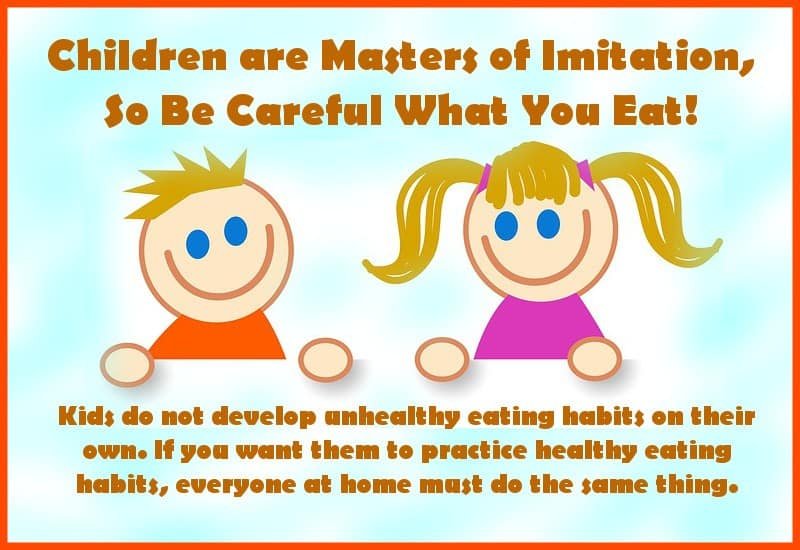
As a parent, it is your responsibility to make wise food choices on behalf of your children. It is unfair to allow them to take easy, tasty choices all the time as they will suffer for it later.

Why not tell your kids the positive effects of eating healthy foods for their growth and well-being? The world is so ‘body-conscious’ it leads to many unhealthy eating disorders. You can take control and feed their mind positively, while feeding them a healthy diet.

Enregistrer

Healthy Diet – Healthy Mind and Body

The fight against ill-health and many diseases starts with eating a healthy diet. So many modern medical cures are really attempts to undo the damage caused by poor dietary choices.

Of course there are people who can’t eat healthy foods due to their circumstances, either environmental or financial. Too often though, lack of finance is given as an excuse for not eating healthy foods. Way too often the real culprits are:

” Not taking the time to educate one’s self about real nutrient requirements.
” Letting taste buds define food choices.
” Taking the easy, convenient, processed option.

This is mainly because processed foods are readily accessible and just as prevalent, or more so, as healthy food choices. The trouble lies in trying to resist the ease and convenience that fast foods provide and this is the root cause of so many health problems.

A healthy diet really should be the number one priority in a person’s life so that a healthy mind and body happens automatically! If the mind is healthy, happy relationships can form. If the body is healthy, disease has a harder time to set in. If the mind and body are both healthy all good things are possible, and certainly far more likely.

Weight Management

This is self-evident. A healthy balanced diet makes managing your weight easy. For people wanting to win against the battle of obesity, a good start is to cut back on high carbohydrate content food.

Make good dietary choices a lifestyle, not a short-term fix. You are in this for life! Go for a diet that is lower in calories but high in nutrients. Eat some fruit and increase vegetable consumption. Animal meat and poultry products provide excellent protein, but eat them as close to natural as possible, don’t lather them with sauces and crumb coatings. Stay away from foods that contain simple carbohydrates such as white bread, pastries, cakes and candies.

More Energy

Our diet must provide the right amount and type of nutrients containing good calories for us to have enough energy. This energy will be used by the body so that thought, healing and growth processes will be able to function properly. Healthy foods greatly improve performance, alertness and brain health.

Prevent Diseases

Failure to observe a healthy diet puts anyone at a higher risk of heart disease, diabetes, cancer and other serious illnesses. Your diet should not contain too many foods that are high in saturated and trans fats, as these are known to be linked to an increased incidence of stroke and heart attack.

Saturated and trans fats can be found in cookies, vegetable shortenings, some margarines and any other foods that are fried using partially hydrogenated oils. Trans fats increase your risk of coronary heart diseases. Use olive oil when cooking and if using margarine choose one made from olive oil too.

Improve Mood

The right foods can do wonders in improving your mood. However, do not succumb to emotional eating. Emotion-driven food binges will almost certainly be poor dietary choices and the effects will be very temporary – leading to repeated bad patterns of behavior.

Foods that contain important nutrients such as vitamin B folate help in combating anxiety and depression. Foods that are rich in B vitamins help in the production of serotonin in the brain. Serotonin is a neurotransmitter that can affect behavior and moods.

Better Mental Performance

Studies have shown that people who eat foods that are rich in vitamins B, C, D and E, plus omega-3 fatty acids have better performance in several cognitive tests compared to those who did not eat fruits, vegetables and fish.

Researchers are providing more and more evidence that having a healthy diet will help prevent diseases related to brain-shrinkage.

Take Control of Your Food Choices

Make a lifelong habit of basing your daily food intake on mindful healthy choices. This will help avoid developing many of the lifestyle illnesses that will cause ongoing health problems in your life.

There are far more food choices on offer than most of us need. In most cases, mindful eating comes down to what we don’t eat – that is, avoiding foods that we know aren’t good for us. There are plenty of foods that are both tasty and healthy.

The Ketogenic Diet Versus Low Fat Diet Plans

Much has been said over the years about the ketogenic diet and with celebrities like Megan Fox, Mick Jagger, and Adriana Lima being fond proponents of the diet, it remains very popular.
What is the real difference between a ketogenic diet and a low fat diet plan? While many may swear about reducing fat intake, studies show low carb plans are actually more effective for both weight loss and reducing high cholesterol.

Ketogenic Diet

There are several low carbohydrate diets, but the ketogenic diet generally limits your carb intake to 20 to 50 grams a day. The ketogenic diet requires you to enter the stage of ketosis, and that generally does not occur unless you are consuming about 20 grams of carbohydrates per day.
A sample menu plan when you’re on a ketogenic diet looks like this:

Breakfast: bacon or sausage, eggs, and coffee with cream and stevia
Snack: 1 ounce of cheese with cucumbers or celery
Lunch: Tuna salad or egg salad wrapped in lettuce or lettuce wrapped burger
Snack: ½ avocado or 10 olives or flaxseed crackers with salsa
Dinner: Cajun chicken with a side of vegetables cooked in butter or steak with vegetables in butter or salad with olive oil and vinegar or grilled salmon with a side of spiral cut zucchini pasta with sauce
Snacks between meals can also include string cheese, a cup of chicken broth, 6 almonds or peanuts, turkey lettuce wraps, hard-boiled eggs, smaller portions of leftover meals, 1 tablespoon of cream and much more.

Low Fat Versus Low Carb

Feeling Satisfied and Avoiding Hunger
The ketogenic diet typically is much more about choices instead of depravation because you are able to eat a wide variety of real, whole, and delicious food with lots of satisfying meats, chicken, seafood, cheese, non-starchy vegetables, and healthy fats.
It is easier to follow than a low fat diet because low carb eating regulates the appetite, and naturally satisfies you so you eat less, without suffering and starvation. This is because eliminating carbs also eliminates erratic blood sugar spikes that cause out of control cravings and hunger.
Long Term Sustainability

One of the most important considerations in the actual success that any diet plan has or will have is its sustainability over the long term, and the overall success measure of any weight loss plan is the individual’s ability to keep the weight off for the long term.
In regards to the above, low carb wins over low fat because when individuals are satisfied and not white knuckling their way through the day, the probability of long-term success increases exponentially, this is one of the reasons that low carb is a lifestyle and not just a temporary diet.

What The Studies Show

A study by the Duke University Medical Center in Durham, North Carolina set out to compare the effects of a low fat diet versus a ketogenic diet program.
What they discovered over their 24 week that not only did the low carbohydrate diet retain more of the participants than the low fat group did, but they also lost more weight, and had a bigger decrease in triglyceride levels.

A low fat diet is generally a temporary diet, one that you cannot sustain because there are too many temptations to give in to; the ketogenic diet does not restrict you to the same level so it is easier to maintain on a long-term basis.
That means the weight you lose stays lost, and is the reason that low carb is a lifestyle and not just another fad diet.

More Studies Support Low Carb Diets Over Low Fat

Since 2002, more than 20 randomized controlled trials have been published in respected, peer-reviewed journals that demonstrate the fact that low carb diets are more effective for weight loss and completely safe without a single adverse effect, this cannot be said about many of the fad diets.
Several studies, including Volek et al, Foster GD, et al, Keogh et al, Westman et al, and Gardner et al have shown low carb eating to lead to more weight loss, and especially visceral fat (belly fat), and to improve HDL cholesterol, insulin levels, blood sugar levels, and blood pressure as compared to low fat plans.

The above studies and others support the fact that low carb wins over low fat in weight loss and reducing risks for heart disease. Of course, you should always ask your doctor before starting any diet plan.

The Health Benefits Of Low Carb Besides Weight Loss

Low carb has been studied and it is well documented that their effectiveness is multi-faceted. Of course, the thousands of people who have lost a lot of weight and were able to keep it off makes a low carb eating plan something of an attractive proposition, especially since it is not your typical fad diet, but an actually lifestyle change.

Harvard completed a study that explored just how impressive the results of a low carb diet can be for weight loss, in comparison to a low fat diet that people tend to rely on for all of their weight loss needs.

By now, most people are aware how excellent low carb diets can be for rapid weight loss, but do they offer any other health benefits?
Yes, they do, and that is what makes a low carbohydrate diet such an attractive option when deciding what path to follow.

Additional Health Benefits
The European Journal of Clinical Nutrition explains what other effects a low carb diet has on the human body. Medical professionals have been using it since the 20’s to help epilepsy sufferers reduce the symptoms, furthermore in some cases has rendered the use of medication unnecessary.

There have also been strides made in proving that a low carb diet can be use a therapeutic tool for a number of other conditions, such as polycystic ovary syndrome, the risk of cardiovascular disease, diabetes, Parkinson’s, Alzheimer’s, a number of strains of cancer, diabetes and even acne.
The point of the study was to determine whether the preconceived notions surrounding ketogenic diets have prevented doctors from relying on it as a therapeutic method.

The Mayo Clinic has also explored the other effects that are seen when on a low carb diet. While citing many of the same issues listed by the EJCN, the Mayo Clinic has added cholesterol levels and high blood pressure to our list.

There are variations on what is considered a low carb diet
Anything from 20 grams to 150 grams can be considered low carb. 150 grams will not kick start ketosis to burn fat stores that actually requires less than 50 grams of carbohydrates per day.
Dr. Judith Wylie-Rosett led a study that makes mention of The American Diabetes Association belief that a low carbohydrate, low fat diet can be used to achieve improvement in both weight and metabolism, pointing to the Mediterranean diet as evidence.

The Mediterranean Diet
This is an interesting point, because it’s well documented that the residents of countries in the Mediterranean have higher life expectancies, and while they do eat carbs, their carb intake is much lower than it would be in the United States, or the United Kingdom.

The Mayo Clinic breaks down the Mediterranean diet which hinges on eating plant based foods, nuts whole grains, and legumes. Olive oils are used in place of butter, and herbs and spices replace salt. It is more common to eat white means and leave red meat to the odd occasion, and meals are spent with family and friends and consumed over a few hours.

WHO has a list of life expectancies for every country and the United States average is 79, while Greece is 81, Spain is 83, and so is Italy.

Conclusion

There are a number of low carb diets that you can follow; you can be as strict or as lenient as you wish. Whether you are looking to lose weight, maintain muscle, or reduce your risk of heart disease.
In addition to the benefits listed above, a low carb diet can also serve as an appetite suppressant. The American Journal of Clinical Nutrition explored the reasons why, concluding that the high protein diet could be an explanation as to why.

Additionally, another similar study saw that participants on a diet that was high in protein and fat, but low in carbohydrates didn’t have the same food cravings as the participants did that were on a low calorie, low fat diet. This is because greatly reducing carbs and eliminating sugars, actually helps to regulate blood sugars so that the appetite is naturally suppressed eliminating those horrid out of control food cravings.

How The Low Carb Lifestyle Can Improve Your Health

A low carb diet is essentially, what it says – it is a diet that greatly reduces intake of carbohydrates. This is not as easy as it sounds.
Carbohydrates are found in foods such as sugary snacks, bread, pasta, starches, fruit, and many processed foods. Typically, the most strict low carb diets limit intake to 20 grams of net carbs per day, at the very least less than 50 grams and the main source of these carbs should be non-starchy vegetables.

Although it may seem drastic, there is plenty of scientific research that shows low carb eating to be beneficial to your health, from weight loss, medical reasons, or a wish to simply eat better. Whatever your reason for starting the low carb lifestyle, there are several key health benefits that can be attributed to this kind of diet.

Weight Loss
With many diets, people often end up hungry and then snacking and fail to lose weight. They try to restrict their food intake too much and end up ‘falling off the wagon’. This is a very real issue for many people and the ultimate reason why they do not lose the weight they are trying so hard to shift.
In contrast, with the low carb lifestyle you do not get the hunger cravings or need to eat like you do with other diets. Research has shown that people who reduce the amount of carbohydrates they eat and replace these with additional protein and healthy fats will eat less and reduce their overall calorie consumption.

If you are trying to lose weight then this can be an effective method, as you actually want to eat less. When you are eating a low carb lifestyle, you lose weight in different ways.
For example, a lot of the body is made up of excess water and the low carb diet can help to get rid of some of this.
A low carb lifestyle leads to lower levels of insulin, which causes the kidneys to work more efficiently and by eliminating insulin triggers, most people lose weight and often very quickly.

Lower Levels Of Visceral Fat
When we do lose weight from following this diet there is an important point to consider. Not all weight is the same, and visceral fat is the bad kind that sits around our organs and can cause serious health problems.

Research has shown that a low carb diet can help to reduce levels of visceral fat specifically rather than the other type of fat, the subcutaneous type.
Stabilize Blood Sugars – Prevent And Manage Type 2 Diabetes
When a low carb diet is followed long term, there is a clear reduction in the chance of developing diabetes and other health issues.

Eating less carbs reduces the need for the body to produce insulin; insulin is used to break down all the sugars in carbohydrates and too much of this can lead to diabetes in later life.
By simply reducing the amount of carbohydrates (insulin trigger foods) that you are eating, you are reducing the production of insulin the in the body and reducing the body’s resistance to it.
A low carb diet prevents erratic blood sugar spikes that may lead to insulin resistance and type 2 diabetes.

Similarly, research has shown that diabetes, both type 1 and type 2 can be better controlled with a low carbohydrate diet. Of course, anyone who is considering changes to their diet should consult their doctor. This is particularly the case if you are taking medication for your diabetes, as this may need to be adjusted too.

High Blood Pressure
Like diabetes, high blood pressure has been connected to many serious health disorders such as heart attacks and strokes. Ultimately, we should all aim to keep our blood pressure within the healthy range, but this can be hard with our lifestyles.
Research is therefore focused on finding ways everyone can realistically lower their blood pressure. The low carb diet can help to keep blood pressure where it should be and prevent it from getting too high.

Bottom Line
The overall message is that a low carb diet can be beneficial in many ways and can help with certain health issues.
However, there is always a risk when making drastic changes to your diet such as significantly reducing the amount of carbohydrates you consume. It is therefore best to consult your doctor before making any changes to your diet; this is particularly the case if you have been diagnosed with any current health issue.
Ask your doctor, a low carb lifestyle may really work for you.

1 89 90 91 92 93 147