Better Health Solutions - Page 83 of 147 - Useful Information about Products, Services & Solutions to Help Maintain & Improve Your Health & Well-Being

Who Are the Most Susceptible to Candida?

Some people seem to never get sick. Others are perennially complaining of health problems, from mild to serious. What makes one person more susceptible to illness than another? In many cases, the difference is nothing more than a problem with a person’s immune system.

Your immune system is the way your body fights to keep you healthy. When you eat right, drink plenty of water, get a lot of rest and exercise regularly, your immune system has the best chance at doing its job properly. It fights off infection and disease, your body and mind stay healthy and strong, and you are very seldom if ever sick or ailing.

When that same healthy immune system gets sick, or becomes weak for any reason, your natural defense barriers are lowered. Viruses, pathogens and fungal infections storm the gates of your defenses and in this weakened condition, your body’s defenders against illness, infection and disease can be defeated.

This provides us with a very good picture of exactly who is most susceptible to developing a candida overgrowth infection.

Candida Is Naturally Present in Everyone

People sometimes think that the candida microorganism is a bad thing. Actually, it naturally occurs in every man woman and child. It operates with the flora in your gut and trillions of other microorganisms to keep your body healthy and strong. That is, this is the situation when your good bacteria ensures that candida yeast does not grow unchecked.

As mentioned above, sometimes a person’s immune system becomes weak. When this happens candida takes advantage. It begins to reproduce and spread. Once it escapes your intestinal tract and enters the bloodstream, it can move throughout the body, presenting symptoms from head to toe, internally and externally.

Understanding that the presence of candida overgrowth is a sign of a compromised immune system tells us exactly who most at risk for developing yeast infections is. The following people are more at risk than average for developing some type of candida infection.

* HIV/AIDS patients
* Anyone that is hospitalized, or is on antibiotics
* Newborns and toddlers
* Someone undergoing an organ transplant
* Cancer patients
* Anyone taking medications that put the immune system at risk
* Stem cell transplant patients
* The elderly
* A person using pharmaceutical birth-control products
* People with high levels of heavy metals in their body, such as lead, arsenic and cadmium
* Anyone who uses nonsteroidal anti-inflammatory medications (NSAIDs), especially long-term
* Those who suffer from social anxiety disorders which lead to frequent stress
* Children who grow up in an environment which lacks love and nurturing
* Individuals exposed to poor air/water quality
* people who receive insufficient exposure to sunlight, which leads to a vitamin D deficiency
* People with autoimmune disorders
* Those who practice unprotected sex
* Men, women and children who eat a lot of processed and fast foods
* People that don’t drink enough water
* Those that consume too much alcohol, and abuse recreational drugs
* Sedentary individuals that do not enjoy physical activity or exercise regularly
* men, women or children with high levels of stress and anxiety

As you can see from the wide range of risks for candida overgrowth development, the underlying problem is always the same – a compromised immune system.

Candida is often seen in the very young and the very old. This is because those natural states of human development are usually accompanied by a less than optimal immune system. Poor lifestyle habits, such as over-consumption of alcohol, poor sleep patterns or diet, can raise the risk that you will develop candida overgrowth as well.

Some people are genetically predisposed to having a weak immune system. Others exercise infrequently or never, and get little strenuous physical activity, and this also raises candida risk. High levels of stress and even long-term relationship problems mean that candida overgrowth symptoms are possible.

Resources:

https://www.cdc.gov/fungal/infections/index.html

https://www.modernherbalist.com/influences.html

What is Candida?

If you are experiencing candida, you are not enjoying the operetta composed by Leonard Bernstein, and based on the novel of the same name by French writer, philosopher and historian Voltaire. One of the arias in Candide, the operatic piece of music, not the yeast infection known as candida, is entitled “Glitter and Be Gay”.

You probably won’t be feeling gay and happy if the candida albicans fungal infection grows out of control in your body. Before you can attend the opera and enjoy the musical masterpiece that is Voltaire’s Candide, you have to buy tickets and dress up. You may even read the original novella or the adaptation by screenwriter and playwright Hugh Wheeler, just so you know what is going on at the opera.

The same is true with a candida outbreak. There are certain things that you do, intentionally or not, before the yeast infections that are a sign of candida overgrowth are experienced. Put very simply, when your natural defense system is weakened, you are more susceptible to contracting any disease or illness. This is true in the case of candida, a naturally occurring microorganism in your body.

Candida – The Problematic Yeast

There are things growing inside your body right now that, when you are healthy, pose no health concern. There are literally trillions of microorganisms in your gut alone. When your body is happy and healthy, all of these interrelated, microscopic components lead to proper mental and physical health.

A problem can occur when candida albicans, usually a harmless yeast, is allowed to grow out of control. Living in every human body, men, women, children and the elderly alike, when overgrowth occurs, candida becomes “an opportunistic pathogen”. It takes advantage of any disability or weakness in your body, and can present itself in a multitude of symptoms.

By definition, candida is a type of fungus. It exists in your gastrointestinal tract. However, as with most other human illness and disease, even though it lives in your gut, it can produce symptoms and health problems throughout your body. In your mouth, throat, digestive system and genitals, candida overgrowth can become problematic and symptomatic.

This commensal organism (one that can benefit from another, separate organism without causing positive or negative changes to that organism) creates byproducts called mycotoxins. When a candida overgrowth has occurred, these mycotoxins begin to attack specific systems, processes or organs in your body.

Until this overabundance of candida yeast is treated, the relentless mycotoxin attack occurs 24 hours a day, every minute and every second. This single-celled organism can even change forms, becoming a pathogenic fungus that confuses doctors because of the myriad of symptoms it creates.

How Does Candida Move from Your Gut into Other Parts of the Body?

You may be wondering how a microorganism in your gastrointestinal system can affect multiple parts of your body. This is because the candida fungus takes root in your intestinal lining. In the case of candida overgrowth, this creates a leaky gut, often called leaky gut syndrome, which is recognized by porous openings in the lining of your gut. This allows the candida overgrowth and mycotoxin byproducts to enter your bloodstream. From there, it is a short trip to any part of your body.

How common is candida, even though many people have never heard the word? More problematic in women than men, candida albicans “… is the most common human fungal pathogen, causing both mucosal and systemic infections, particularly in immunocompromised people.” That medical jargon from the journal “Science” simply means that if your immune system is weakened or compromised, candida overgrowth can occur, displaying itself in a multitude of symptoms.

References:

https://www.amymyersmd.com/2015/11/10-signs-you-have-candida-overgrowth-and-what-to-do-about-it/

https://www.ncbi.nlm.nih.gov/books/NBK2486/

Causes and Remedies of Excessive Sweating

Sweaty hands, underarm wetness and stains on clothing and beads of sweat on the forehead are all signs of excessive sweating. Sweating is necessary to control the body’s temperature, but in some cases the system overproduces, rises to a high level and occurs at inappropriate times.

This is what’s formally known as hyperhidrosis. The areas of the body most affected by hyperhidrosis are the face, hands, armpits, trunk, feet and scalp. The condition usually begins during childhood years or early adolescence and becomes worse as time goes on – possibly for the rest of your life.

Excessive sweating is an embarrassing condition, especially during social and professional activities and intimate relationships may also be greatly affected. There are two types of hyperhidrosis – primary (idiopathic) and secondary.

Primary hyperhidrosis occurs more often than the secondary type and is usually centered in the hands, scalp, armpits, face and feet. Secondary hyperhidrosis is usually caused by a physical condition such as menopause, obesity, hyperthyroidism, systemic malignant diseases, treatment (endocrine) for a malignant disease and some psychiatric disorders.

Remember that sweating is a normal response to heat and meant to cool down your body. Running a fever is sometimes a trigger for sweat to break out as your body temperature rises and needs something to cool it down.

You might suffer from hyperhidrosis because of genetics that caused you to have more than normal sweat glands in the feet, hands and armpits or because of overactive sweat gland nerves. Occasionally, there may be another condition that can be causing excess sweating.

Causes and Symptoms of Excessive Sweating

Other than simple genetics, there may be medical or physical conditions that cause hyperhidrosis. Some can be tested and treated easily and the problem eradicated. Excessive sweating is usually characterized by a sudden onset without reason – such as a hot atmosphere or exercise.

You’ll know if you have hyperhidrosis if the palms of your hands and soles of your feet are constantly damp, you suffer from sweating that drenches your clothing, have macerations (soaking) of the skin, discoloration of the skin where you sweat most, or have cracked and scaly skin and foot odor.

Some medications may contribute to hyperhidrosis. Psychiatric prescriptions and meds used for high blood pressure problems may contribute to excessive sweating problems. Medications used to treat dry mouth, some supplements and a few antibiotics may also cause the condition.

Hyperthyroidism is another condition which may cause excess sweating. This condition causes the body’s chemical system to rev up past normal stages, producing too many thyroid hormones within the body. The result could be excessive sweating.

Testing is available for hyperthyroidism and the optional treatments include certain medications, surgery and iodine radiation. The symptoms of hyperthyroidism vary and excessive sweating may not occur until the condition is extremely manifested.

Many women complain about the sudden onset of excessive sweating problems during menopause. The problem is sometimes called hot flashes and they affect over 75% of women during and just before other menopausal symptoms.

Scientifically, these hot flashes are likely caused by swings or decreases in a woman’s drop in estrogen levels, when the menstrual period stops. Some women have such severe excess sweating that they drench their clothing.

Certain types of cancer such as Non-Hodgkin’s and Hodgkin’s lymphoma may cause sweating. Other cancers sometimes involved in hyperhidrosis include leukemia, bone and liver cancers, carcinoid tumors and mesothelioma.

Doctors believe that the body’s reaction to cancer by sweating is caused by the body’s attempt to fight off the invading cancer. The sweating becomes more pronounced as the cancer becomes more advanced.

Diabetes, types 1 and 2, are also known causes for hyperhidrosis. Other glucose control disorders such as hypoglycemia (extremely low glucose levels) and gestational diabetes may also contribute to the problem.

Sometimes, psychiatric conditions such as stress and anxiety can cause hyperhidrosis. These disorders may cause the body’s temperature to rise, leading to excess sweating. The drugs used to treat psychiatric problems may also lead to overactive sweat glands – plus withdrawal symptoms of stopping the use of alcohol and opiates or other, illegal substances may cause hyperhidrosis.

If you’re suffering from one or more of the above conditions, you may experience certain symptoms. For example, your face and scalp may be the main areas of the hyperhidrosis condition.

You may experience embarrassing blushing and your self-esteem may suffer as a result. Sweating profusely in the thigh, torso or leg areas occurs less frequently than in other areas of the body and may be part of the excess sweating going on in other body parts.

Sweating of the hands is one of the most embarrassing conditions because they’re used more than other body areas. Social contact (and even the profession you choose) may be affected by hyperhidrosis primarily occurring in the hands.

Besides the sweat problem, your hands may also feel cold and take on a blue discoloration, further limiting social contact. Feet sweating is also a condition which may be associated with sweating in other parts of the body.

Under the armpit may also cause distress in the form of wet clothing and stains. A strong odor may also develop, causing embarrassment and social withdrawal. It’s a humiliating and stressful situation for anyone going through it.

Treatment Options for Hyperhidrosis

Although sweating is a natural process by which the body eliminates toxins and acts to cool the body, it becomes a disorder when the excessive sweating causes embarrassment or might be a sign of a more serious medical problem.

Before treatment, the underlying reason for hyperhidrosis must be diagnosed. Sometimes, it’s a simple task. The excessive sweating may be clearly caused by such medications and treatments as hormonal therapy for hot flashes.

Those being treated for loss of estrogen may try super-type of antiperspirants such as Drysol. Iontophoresis (ionization) may also be a remedy. Ionization is a process which involves electrical current (from a machine) letting ions flow in the areas where excess sweating is prevalent.

Botulinum toxin (BOTOX) is also found to be effective for some people who suffer from hyperhidrosis. It works by blocking the signals from the brain which are received by the sweat glands. The injections can be given in the hands, face, feet or armpits.

Surgery may also be an option for those suffering from severe hyperhidrosis. Also known as endoscopic thoracic sympthectomy (ETS), the surgery acts to cut off the nerve impulses which cause the sweat glands to produce sweat.

The glands helped by this surgical process are found in the palms, armpits and face and address the junctions where the nerves meet. The surgery is simple, requiring one incision of about a twelfth of an inch per side.

One procedure that requires minimal surgery is to remove or eradicate the sweat glands. A small incision is made and the sweat glands or cut or scraped away – or you can elect to use a laser device just under the skin to destroy the glands causing the problem.

Another way to remove sweat glands without surgery is by a healthcare provider using a probe which is held just above the skin. The probe discharges a small amount of electromagnetic radiation to completely destroy the sweat glands.

Your doctor may discuss the use of anticholinergics to ease a hyperhidrosis problem. This type of medication is antimuscarinic or anticholinergic and acts to block the nervous system’s natural chemical (acetylcholine) which activates the sweat glands.

Hyperhidrosis can be challenging to manage and treat, but it can be done if you take the time and effort to seek out what works for you. There is no one size fits all solution, since everyone has different causes and different responses by their body to treatment.

Alternative Treatment and Lifestyle Changes for Hyperhidrosis

Some simple lifestyle changes may help the symptoms of hyperhidrosis when there’s no obvious reason for the condition. It likely won’t cure the condition, but you may learn to manage it so you’re not always embarrassed. There are some easy ways to ease the symptoms.

Food and drink that trigger excessive sweating include spicy foods and alcohol. Also, avoid tight clothing and wear cotton clothes rather than man-made material such as polyester. Use antiperspirant rather than just deodorant in the armpits.

Wear socks that are especially designed to absorb moisture and are made of natural, rather than man-made, fibers and change them often during the day. Your shoes should be made of leather and pairs should be alternated each day.

You can use armpit shields to soak in excess sweat and protect your clothing from stains. If the antiperspirant you’re using doesn’t work, ask your doctor to prescribe a stronger one for you.

Try taking two teaspoons of natural vinegar mixed with a teaspoon of apple cider vinegar three times a day – either on an empty stomach or about thirty minutes after a meal.

Sage tea has been tested and found to help excessive sweating in the armpits. Simply brew some sage in warm water, let cool and then drink it down. It’s loaded with vitamin B and magnesium which calm overactive sweat glands. Green tea may also be an effective herbal remedy.

Use cut slices of potato to rub in your armpits and other areas of excessive sweating. Drink a glass of fresh tomato juice each day to calm the sweat glands and also consider using witch hazel as an antiperspirant. It dries the areas that sweat the most.

Try coconut or tea tree oil on the sweaty areas for a natural fix. Add camphor to the coconut oil and use the tea tree oil at full strength to take full advantage of its natural astringent powers. For sweaty palms, try the tannic acid found in plain black tea by steeping some bags in boiling water, and when the water cools, dip your palms in it.

Add grapes to your diet every day for the antioxidants needed to balance your body temperature. Drink wheatgrass juice to neutralize acids in the body and get a large dose of vitamins, folic acid and protein to help calm overactive sweat glands.

Cornstarch, baking soda and salt are natural drying remedies. Mix the cornstarch and baking soda and apply under the arms after a thorough cleansing. Wash it off about thirty minutes after the application. Or, mix a tablespoon of salt with some lime juice and massage into your hands if you suffer from sweaty palms.

Other homeopathic remedies you should check out for hyperhidrosis issues are silicea for clammy feet, calcarea (if obesity might be the cause of hyperhidrosis), botulinum for armpit sweating and acidum hydrofluoricum if your sweat comes with an unpleasant odor.

Simple lifestyle changes you can make on a daily basis may solve your hyperhidrosis issues. For example, drink copious amounts of water each day and cut down on your caffeine intake.

Avoid stress and anxiety as they’re prone to trigger sweat glands. Also avoid hot drinks, spicy and sugary foods – and of course, never use alcohol drugs or cigarettes if you have a hyperhidrosis problem.

Keep your armpits and groin areas shaved and don’t use high-powered deodorants and soap. Avoid hot baths and try to always keep your body temperature cool. Make sure you wear natural fiber clothing (such as cotton) rather than synthetic fabrics like nylon.

Anything you’re eating, doing or wearing that triggers excessive sweating issues should be avoided. If you begin to feel self-conscious about a hyperhidrosis problem, try natural remedies first and then seek help from your healthcare provider.

First, the problem must be correctly diagnosed – and then, there’s usually a remedy for the particular problem and you can find the particular method that will work for you. Help is readily available.

Don’t despair if you can’t find an immediate remedy for your hyperhidrosis issue. There’s plenty of information and help online to assist you in dealing with and seeking the proper solution for the problem.

Hyperhidrosis isn’t a problem you have to live with. Many have been helped by following one or more of the guidelines or products (including surgery) that are listed in this report.

When Digestive Issues Are Wrecking Your Life

We’ve all had those irritating (and sometimes embarrassing) moments when we had to break away from a conversation, intimate moment, meeting or other social activity to run to the bathroom.

If it happens once in awhile, it may not be significant. But, if digestive issues continuously embarrass you and make you frantically look for a way to leave a situation, it might have a negative impact on your life.

Digestive issues such as IBS (Irritable Bowel Syndrome), flatulence, acid reflux and gastritis can certainly wreck your social life and eventually drive you to stay alone as much as you can to avoid the embarrassment.

You should know that a continuous and irritating digestive problem might mean you have a serious health issue. Whatever the issue, if it’s severe enough, then it should be addressed immediately by a healthcare provider before it becomes dangerous.

Digestive problems are part of the wide array of embarrassing health issues that we don’t want to talk about – but, it’s imperative that we do. Some think these issues are simply a part of life, especially as we age.

Even though the symptoms don’t appear to be life-threatening, there may be issues occurring in your body stemming from a problem that could be simply cured or dealt with so it doesn’t get worse.

Common Digestive Problems and How to Deal With Them

Embarrassing digestive issues affect everyone sooner or later. Diarrhea, gas, stomach pain or cramps, heartburn (GERD), Irritable Bowel Disorder (IBD) and Irritable Bowel Syndrome (IBS) are all digestive issues which could cause embarrassment.

Treatment for these nasty problems might include lifestyle changes or medication. Even if pondering gas or diarrhea isn’t the most exciting thing to think about, you should know about them and what you can do to relieve the situations.

For example, you should know that IBD is different from IBS. IBD is defined as a structural disease, which means the symptoms are caused by some type of physical damage.

Ulcers, Crohn’s disease and ulcerative colitis are all considered to be inflammatory bowel diseases. IBS is considered to be a functional disease – meaning symptoms are experienced but no physical problem is found.

Both IBD and IBS cause constipation, bloating, diarrhea and stomach pain which can be both embarrassing and present a real problem if you enjoy an active lifestyle. Symptoms of both IBS and IBD might include blood in the stool, fever, worsening issues, inflammation – especially in the joints, eyes or skin – and weight loss.

Treatment for both might include controlling the inflammation with immunosuppressive drugs or, in some cases, surgery. Heartburn (GERD) is painful and may be difficult to deal with.

With acid reflux, the stomach acid flows into the esophagus (the tube connecting the throat and stomach) and heartburn is a symptom of GERD. You may be able to use over-the-counter medications for an occasional bout with heartburn and some modifications in your lifestyle might be in order.

For example, avoid certain foods such as chocolate, citrus, garlic, onion and spicy foods just before bedtime. Try eating smaller meals throughout the day. If you smoke – quit. If you’re overweight or obese try to lose the weight with dietary changes and exercise.

You can also try placing blocks under the head of the bed to raise it a few inches while you sleep. If antacids or acid-blocking medications and changing your lifestyle habits don’t work, you should be tested to see if you have a problem that would warrant another type of medication or surgery in extreme cases.

Gas, belching and bloating are all uncomfortable conditions and very embarrassing when you’re around people. Most of the time, all three conditions are caused by swallowing air or the way your food breaks down during the digestive process.

Some people have occasional bouts with these digestive issues, while others may suffer from them repeatedly on a daily basis. With these three issues, one thing leads to another.

For example, when built-up gas isn’t passed out of the system by flatulence or belching, it will likely gather in the stomach or intestines and cause bloating. This condition can cause stomach pain.

Having a bowel movement or passing gas may help to relieve any of these situations. Some ways you can relieve the problems of gas, belching and bloating include avoiding eating fatty foods on an empty stomach, stress and anxiety, smoking, drinking carbonated beverages or eating gassy foods such as beans, cabbage and onions.

Your situation may also be caused by a disease, blockage or infection of the gastrointestinal tract, IBS or other problems in the intestinal tract. If changes in your lifestyle and medications don’t help your situation, see a doctor for a complete checkup.

Frequent stomach pain and cramps are red flags that signal you should see a doctor. You might be suffering from IBD, IBS or a structural disease. Your doctor will likely run a series of tests to help diagnose the issue and determine which treatment to use.

Less Common Digestive Issues That Can Make You Miserable

There are numerous digestive issues that go beyond the norm of common digestive problems and need further diagnosis to define the real issue. For example, peptic ulcers can cause horrid stomach pain which is further exacerbated by painkillers you might take to alleviate the misery.

Over 25 million Americans will suffer from peptic ulcers at some point in their lives. Smoking may cause the problem – or alcohol and stress may also contribute to the disease or at least exacerbate it or delay the healing process.

Peptic ulcers may be treated with antibiotics and perhaps combined with acid reducing medications. Perforated ulcers may need laparoscopic repair surgery to completely eradicate the problem.

Diverticulitis is more common in those Americans older than age 70, but only about 20% of those with the disease will experience severe complications. Diverticulitis occurs when a diverticula (abnormal bulge) protrudes from the intestinal wall.

The bulge may cause a tear or become inflamed and cause severe pain. One way to avoid diverticulitis is to eat lots of popcorn and nuts. If you have an extreme case of diverticulitis, your symptoms may include vomiting, fever and tenderness in the abdomen requiring surgery.

Gallstones are almost certain to require treatment. They’re made up of little stone-like substances largely made from bile salts and cholesterol. The best treatment is to remove the gallbladder by surgery – which is one of the most common procedures in medicine.

Sometimes the stones inside the gallbladder become stuck in the ducts between the small intestine and the liver. When this happens, the flow of bile is blocked and inflammation or infection of the gallbladder may occur.

Gallstones are said to occur because of a lack of fiber and too much fat in your diet. Gaining and losing weight may also set the gallbladder up for gallstones. Removal of the gallbladder can be done in several ways, including laparoscopic surgery or surgery through the vagina or mouth.

Lactose intolerance is also become a problem among Americans. Those who suffer from the condition likely lack an enzyme needed for digestion of the sugar found in milk. Symptoms include bloating, gas, nausea, cramping and diarrhea.

A breath test can usually detect lactose intolerance and the high levels of hydrogen associated with the condition. A blood test may also indicate the problem by showing how the blood reacts to the patient drinking a beverage high in lactose such as milk.

If lactose intolerance is detected, over-the-counter pills can help by replacing the enzyme (lactase) and by only ingesting lactose-free milk. It’s usually not necessary to avoid all dairy products.

Medical Tests for Digestive Disorders

If medication and lifestyle changes aren’t helping your digestive issues, a doctor can order some tests that will diagnose the ailment and put you on the track for recovery and relief.

A clinical examination is first on the list of tests and may help the doctor diagnose such disorders a constipation, extreme acidity and diarrhea problems. A blood test may be in order to see how your liver is functioning, monitor your blood count, pancreatic enzyme test and lactose tolerance testing.

Your doctor may also order a stool analysis to assess the functionality of your GI tract. The test profile may be used to diagnose such conditions as constipation, diarrhea, IBS, indigestion, malabsorption and infection.

If the test reveals higher than normal levels of fat in the stool, it may be a sign of pancreatitis or celiac disease. If there’s a high pH level, it could be an indication of cancer or some type of inflammation.

An endoscopy is in order if you’ve suffered from long bouts of acidity or heartburn, sudden or unexplained weight loss or changes in your bowel habits. An endoscopy is non-surgical, but lets the doctor thoroughly examine the stomach or digestive tract for abnormalities.

During the procedure, the doctor may gather small samples of tissue for biopsy. This test will help them detect polyps or cancer cells which may be causing a digestive issue. An endoscopy ultrasound test is sometimes utilized to help diagnose problems in the upper intestine.

A renal function test may be done using gadolinium with contrast agents that are commonly used in CT scans and MRIs. If you’re experiencing failing kidneys, the kidney function testing may be done before the CT scan or MRI of the renal area.

A device called a manometer is used to measure movement and muscle pressure in the GI tract and oesophagal. Anorectal manometry is used to measure how the anal sphincter muscle contracts.

Barium X-rays are used to help the healthcare provider view the stomach and small intestines. It’s usually given through the rectum in an enema. This test can help diagnose gastrointestinal problems such as ulcerations, narrowing of the gut and fistulae problems.

A breath test may be used to diagnose such conditions as lactose intolerance. If sugars in your diet aren’t completely absorbed by the small intestine, the bacteria in the colon may produce hydrogen gas.

If you’re lactose intolerant, the breath levels of hydrogen will be extreme. You may also be experiencing a high growth of bacteria in the small intestine, which then may be absorbed into the blood and transferred to the lungs.

Abdominal ultrasound, MRI and CT scans are sometimes used to examine the blood vessels in the organs, liver, pancreas and gall bladder. These high-frequency sound waves let the physician view real time images of the internal organs, blood vessels and surrounding tissue.

Monitoring the pH level may be in order to diagnose such digestive problems as GERD. You’ll be measuring the amount of stomach acid within the esophagus within a 24 hour period and can also test the effectiveness of medications you may be taking.

The pH test involves passing a sensor on a thin tube through the nose and placing it just above the esophageal sphincter. This will detect the amount of acid that enters the esophagus during the time period.

A diseased liver may cause digestive problems that should be addressed immediately. A test called transient elastography is non-invasive and can let the physician record the elasticity of the liver and test liver fibrosis.

The test involves inserting a small transducer probe into the liver which delivers a 50-MHz wave. The velocity of the wave is measured and the measurements are then used to diagnose the liver’s stiffness.

The more information you have about digestive issues the better able you are to discern if you have one – or to take measures to prevent a problem in the future. There is a ton of information you can gather from medical websites.

You don’t have to suffer from one or more of these digestive issues in silence. Americans, especially, are experiencing growing digestive problems and even becoming a growing burden by the number of clinic visits and hospitalizations necessary for treatment.

There are also growing organizations which address problems such as Crohn’s disease and ulcerative colitis which are the most common of the inflammatory bowel diseases. The Crohn’s & Colitis Foundation of America can offer a wealth of information about gastrointestinal disorders. Don’t let digestive issues and disorders wreak your life. Get out there and discuss it with others to find help and relief.

What You May Not Know About Sexually Transmitted Diseases

Sexually transmitted diseases (STDs) are not only embarrassing, but can harm your future health and well-being if not treated quickly and properly. These sexual diseases include gonorrhea, chlamydia, trichomoniasis, genital herpes, genital warts, Hepatitis B, HIV and syphilis and are sometimes manifested by discharge from the vagina or penis and pain when urinating.

Statistics indicate that half of all sexually active adults will contract an STD by the age of 25. These are serious and harmful illnesses that require immediate treatment. Some are incurable and can result in death.

An early diagnosis could mean the difference in life and death. The more you know about STDs the better able you will be to protect yourself. You need to be aware of the basics of STDs such as how you may contract them, the symptoms, diagnosis and treatment and how to protect yourself from them.

If you’re a sexually active adult, you owe it to yourself to know all you can about STDs and what you can do to prevent it from ever happening to you.

Having Sex Isn’t the Only Way to Get an STD

Many people – especially sexually active teens – have the impression that they can only contract an STD by having sexual intercourse. That’s simply not true. Some STDs can also be spread by having contact with an infected area or open sore on another person.

It’s also a false belief that you can’t get STDs if you only have oral or anal sex. You should be aware that STD bacteria and viruses can also enter the system through cuts or abrasions within the mouth, anus, penis or genitals.

Unknowing teens are especially vulnerable for contracting STDs and the statistics are rising among both the rich and poor. It’s vitally important that sexually active teens are aware of the serious health problems that STDs can cause now and in later life.

For example, permanent damage can occur from the ravages of an STD in the form of infertility – never being able to have a family. If a young person contracts HIV/AIDs, the result can be long years of treatment and even death.

STDs are such an embarrassing issue that many people don’t tell others they have one and the symptoms may not be noticeable. Or, a sex partner may not know they have one and unknowingly pass it on to others. This is why STDs are so easy to spread.

The chances of someone contracting an STD increase if they begin sexual activity at a very young age, have multiple sex partners or have unprotected sex. Even with protected sex by using a condom, diaphragm or other method, an STD may occur and possibly leave your health damaged forever.

An STD may not only affect your health negatively – it may also ruin your intimacy with others as well as setting yourself up for a reputation that may be difficult to shed. Protect yourself by learning everything you can about STDs and taking precautions so it never happens to you.

How to Recognize Symptoms of STDs

With certain STDs, symptoms may not be recognizable or uncomfortable enough for a person to identify. Since the symptoms aren’t always obvious, you need to see a doctor on a regular basis for examinations and testing.

It’s especially important to be tested if you suspect or know that you’ve been exposed or if you’re sexually active with various partners. Some STI (Sexually Transmitted Infections) are fairly easy to treat while others require a treatment plan that should be monitored and managed by a healthcare provider.

It’s vitally important that you inform your sexual partner(s) so they can also be diagnosed and treated. If an STI remains untreated, you’re more at risk of contracting another type of STI – which can be more devastating – such as AIDs or HIV.

The untreated STI can damage your immune system to withstand infections in the genital area and sores or abrasions may occur, increasing your chances of getting the HIV virus.

It could also result in infertility. Even if you have no symptoms of an STI, you may pass one on to sexual partners. The hepatitis STI can be transmitted to another if one person is infected with the virus and passes it along through the blood.

Others may only be contracted through sexual contact. An example of STDs that are difficult to detect is Chlamydia, a bacterial infection in the genital area. Early-stage symptoms are sometimes missing and when you do realize them it may be a few weeks into the infection.

During that time the STD can be passed on to many others depending on how sexually active you are. When symptoms of Chlamydia do occur, you may experience pain in the lower abdomen, pain during urination, discharge from penis (or vagina in women), pain during sexual intercourse (for women) or testicular pain in men.

Genital warts (Human papillomavirus or HPV) infections are common among sexually active persons and could cause women to contract cervical cancer in time. You may notice small areas in the genital area that are flesh or gray in color and may form a cauliflower shape when bunched together.

You could also experience bleeding during intercourse or some type of discomfort in the genital area such as itching or pain. But some people experience no symptoms at all. Be aware that genital warts may be found on the penis, anus or scrotum or even within the throat or mouth if you’ve had oral sex with a person infected with the virus.

The tichomoniasis infection is caused by a parasite (Trichomonas vaginalis) and is a one-cell, microscopic problem spread by having sexual intercourse with a person who has the infection.

In men, the urinary tract is commonly infected, but there may be no symptoms. In women, the trichomoniasis infection can be manifested in the vagina. You might experience slight to severe irritation and inflammation within five days to a month from exposure.

You’re also likely to experience other symptoms such as a vaginal discharge (or penis), itching in the genital area, pain during intercourse or when urinating. These may also be symptoms of other STIs, so see your healthcare provider immediately when experiencing these or other symptoms.

Gonorrhea (also called “the drip” or “the clap”) is a nasty STD infection of the genital tract, but can also appear in your eyes, throat or anus. It’s highly contagious and the first symptoms will usually appear with the first ten days after you’ve been exposed.

You might also have the infection for months until symptoms appear. Some of the symptoms include pain or irritation whey urinating, a bloody or cloudy discharge from the vagina or penis, itching in the anal area, painful and swollen testicles and heavy menstrual bleeding.

Sexual contact is the usual method for transmitting gonorrhea, but body fluids may also pass on the infection. It’s common for pregnant women to pass on the infection during childbirth.

Those who have sex with multiple partners are more likely to contract the disease. The gonorrhea bacterium grows and multiplies in the mucus membranes, especially in the moist and warm areas such as the cervix, uterus, urethra (men and women) and the egg canals.

It can also be present in the anus, throat and mouth of men or women. Other, especially horrific STDs include Hepatitis A, B or C. They’re all considered viral infections that can affect the liver.

Although B and C are the most damaging, all three can inflame the liver and cause consequences such as extreme fatigue, nausea, loss of appetite, fever, joint or muscle pain, itching and yellowing of the whites of your eyes.

It could be weeks or months before symptoms of a Hepatitis infection appear, but some damage to your liver may have already taken place. If you think you’ve been exposed to a Hepatitis STD infection, be screened immediately so you can begin an effective treatment plan.

Another highly contagious STD virus is genital herpes, caused by the HSV (herpes simplex virus) which invades your body through small cuts in the skin or through the mucous membranes.

You may never suspect that you have the genital herpes virus because the symptoms may be so light and hardly noticeable. If the virus does manifest itself in your body, the initial flare-up is usually the worst. After that, you may have frequent flare-ups or never have another.

Symptoms of the genital herpes virus include pain or itching in the genital area, inner thighs or anus. It can appear after several weeks of exposure in the form of tiny red bumps, open sores or blisters in those areas of the body.

The herpes ulcers can be particularly painful – especially during urination and may be accompanied by flu symptoms such as nausea, fever, headache and muscle aches. In many cases you may be able to pass on the infection – even when there are no ulcers.

Some symptoms such as irritated hair follicles, pimples on the genital area and itching may not be an STD, but it’s best to get it checked out rather than worry needlessly or take a chance on passing an infection to others.

How to Diagnosis and Treat an STD

Early diagnosis and proper treatment are keys to preventing the disease from becoming worse and to prevent possible health issues that could lead to life-long problems or even death.

Most of all, an early diagnosis and treatment will help avoid passing it on to others. Most STDs can be diagnosed with a simple urine sample, but it may be necessary to test fluids from active sores to obtain the correct diagnosis.

For other STDs such as HIV or certain stages of gonorrhea, a blood test is necessary to confirm the diagnosis. You can also be tested for an STD if you have no symptoms but suspect you may have been exposed.

This process is called “screening” and isn’t part of a typical healthcare checkup, so you may have to request it. Some healthcare screenings automatically test people who are ages 13 to 64 by blood or saliva samples to determine if they carry the human immunodeficiency virus (HIV) which can lead to AIDS.

Pregnant women may be tested for HIV, syphilis, hepatitis B and chlamydia during the first visit for prenatal care –especially if the woman is at high risk for an STD. Also, women who are age 21 and older are usually given a Pap test for certain conditions such as cancer or pre-cancer, HPV and inflammation.

Hepatitis C is prevalent among men and women born between the years of 1945 and 1965, so if you’re in that age group you should be tested. If you’re a sexually active woman under 25 years of age, you should be tested (by a urine sample or vaginal fluid) for the chlamydia STI.

Since men who have sex with other men run a greater risk of contracting STIs, it’s recommended to have that frequent (at least once a year) screening tests for HIV, chlamydia, gonorrhea, syphilis and hepatitis B.

It’s not a very romantic topic when you first meet a new partner, but you should discuss STDs before you engage in anal or vaginal intercourse and ensure that you’ve both been tested.

Unfortunately, HPV (papillomavirus) testing isn’t available for men and there are no reliable tests for genital herpes. You could contract the virus even when your partner has no symptoms.

Bacterial STIs are easier to diagnose and treat, but viral infections aren’t always completely cured. They can be managed, however, and a rapid diagnosis and treatment plan may help lower the risk of infection in the baby if you’re pregnant.

Treatment of an STD includes various methods, depending on the nature of the infection. Antibiotics may be used to eliminate such parasite and bacterial infections as chlamydia, trichomoniasis and syphilis while an antiviral prescription may be used to treat and prevent herpes.

Antiviral drugs also help to keep the HIV infection at bay for years at a time, also lowering the risk of transmitting the disease. Early diagnosis and immediate treatment of an STD is the only way to ensure the effectiveness of the treatment. Go for retesting as often as your doctor suggests to ensure you haven’t been re-infected.

Preventing and Managing STDs

Receiving a diagnosis of having an STD can be devastating. But, early diagnosis, treatment and future prevention are imperative to successful management and eventual cure. Prevention is key to contracting more or another type of STD or passing it on to others.

Safe sex is one way to lessen the odds of becoming infected and spreading it to others. If you’ve already been diagnosed, keeping up with the proper treatment can prevent devastating symptoms and infecting others.

Keep in mind that taking steps to prevent an STD is much easier than seeking diagnosis and treatment. Public health departments are great resources for information about prevention and treatment and can help with issues such as notifying your partner(s), seeking treatment and even counseling to help you deal with the emotional repercussions.

One reason it’s important to notify your partner of the infection is to reduce the risk of getting re-infected and so that he or she can notify other partners. Notification is especially important if you’ve been diagnosed with syphilis or HIV so the other person can begin testing and preventative treatments.

Some ways to help prevent infection of an STD is to use condoms every time you have sex. A device called a “dental dam” is available for women to use when receiving oral sex. If you have sex with multiple partners, be sure to get timely exams (genital for men or gynecological for women).

Regular screening for STDs help you catch them early and treat them for the most desirable result. Be completely honest with your doctor about the type of sex you’re having (oral, anal or vaginal) and how many partners you normally have sex with.

If you’re too embarrassed to see your family doctor, seek out a clinic to receive a confidential exam. Be sure to get an exam if you think your partner may have passed on an STD – even though you may not be experiencing symptoms.

Even if you have no symptoms of an STD, it’s imperative that you’re tested often – especially if you’re having sex with multiple partners. You may believe your partner(s) are free from STDs or you might be using protection and think you have no need to be screened.

But the truth is that hoping your partner is telling you the truth about not having an STD (he or she may not have symptoms) and using protection is no guarantee that the method will work. Whether you’re straight, married or gay, you’re at risk for contracting an STD if you’re having sex.

Today, it’s possible to receive same-day screening for some STDs and there are treatment and counseling centers available in almost every city. Unfortunately, finding new treatments to counteract STDs is extremely difficult and some of the old treatments, such as antibiotics are becoming less effective because of new organisms that resist the treatments.

Each new drug is subject to rigorous testing and trials and after months and years of testing, most of these never reach the marketplace. The drug AZT was originally used to treat cancer, but discovered in later years that it was also effective in slowing the onset of HIV infection to AIDS.

Certainly, the diagnosis of an STD can be devastating, but there are treatments available that can ease the symptoms and in some cases, cure the disease. Keep in mind that contracting an STD doesn’t define who you really are.

Seek emotional counseling if you’re having a hard time accepting the fact that you have an STD diagnosis – and take the necessary steps to prevent contracting another STD or passing it on to others.

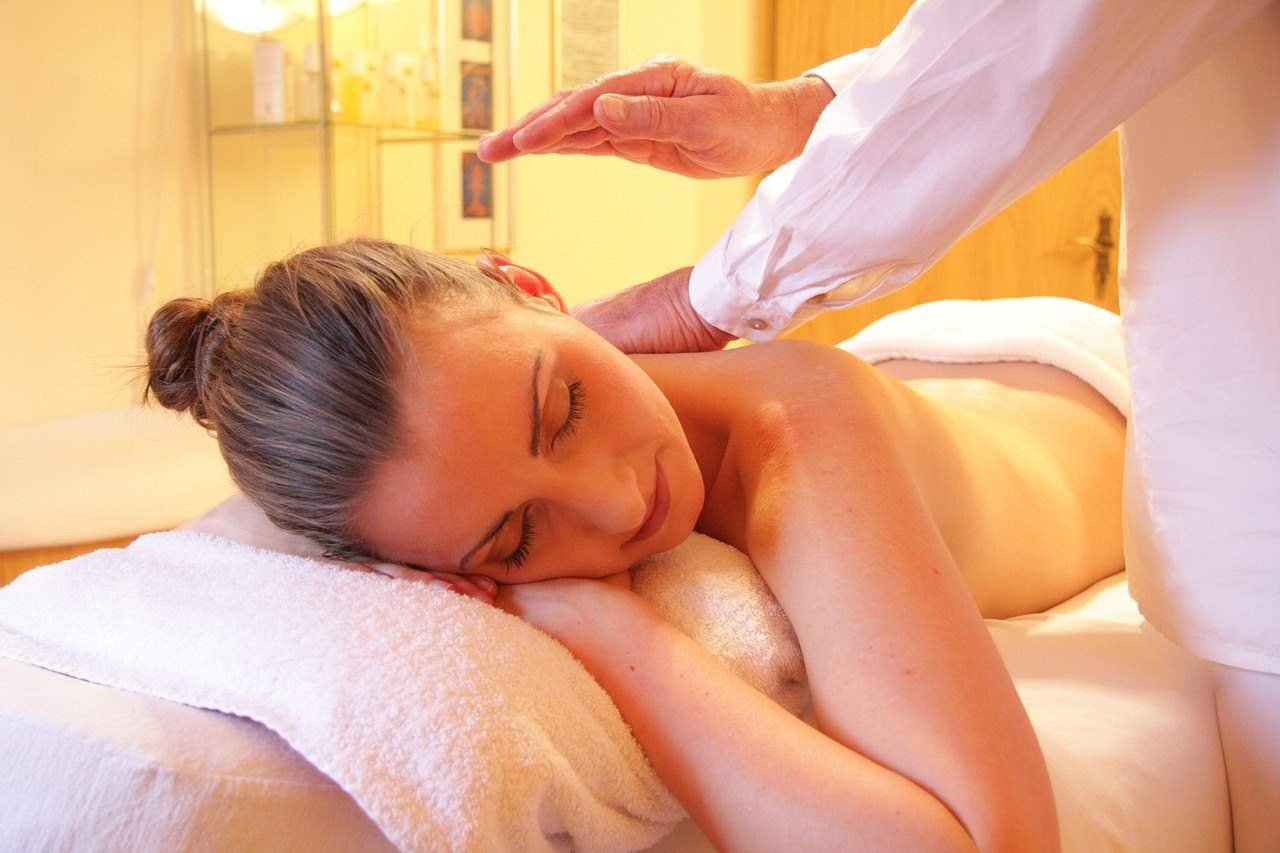
Massage For Depression

With over 350 million people worldwide suffering from depression, more and more people are looking for natural ways to feel better, to experience more happiness, and improve their quality of life.

With medication offering only limited solutions, and often with unpleasant side effects, people are seeking alternatives to improve their mental health and well-being or even complementary natural therapies that work alongside with medication and psychotherapy. One natural way to decrease the symptoms of depression and to improve quality of life and mental and emotional wellness is massage.

Massage has been around for thousands of years and most cultures have used it in one form or another. Massage is much more than simply a luxury item that is only for people with the leisure time to indulge in it. It has a number of positive repercussions for your health and well-being, and studies are finding that it is good for your mental health as well.

How Does It Work For Depression?

Massage works by increasing blood flow to the area, decreasing muscular tension and promoting relaxation. From a Traditional Chinese Medicine point of view, massage helps to increase the flow of vital energy, or Qi. When energy in the body is in flow, good health is inevitable. When the energy is stuck, discomfort or ill health occurs.

Massage stimulates the natural production of feel good brain chemicals, including serotonin, and endorphins, which help improve mood and promote happiness.
Moreover, low levels of serotonin are one of the causes for major depressive disorder, and this makes massage the perfect natural alternative for stimulating its production.

Popular Styles Of Massage

There are different types of massage and several ways that massage can help to elevate your mood. Some of the better known types of massage are Swedish, Thai, aromatherapy massage, and reflexology.
Here is a quick outline of these styles of massage:

Swedish massage uses oil on bare skin and long sweeping, circular, and rhythmic strokes that bring about feelings of inner peace, calm, safety and relaxation.

Thai massage is done with the recipient either naked or clothed: the practitioner uses different stretching maneuvers and deep pressure to reduce tension. It is usually performed on the floor and the stereotypical image is of the practitioner walking along the back of the recipient!

Aromatherapy massage is a lot gentler so if you prefer a softer approach this may be preferable for you. Aromatherapy massage uses essential plant oils whose properties are beneficial to your well-being. The medicinal molecules get absorbed into the bloodstream via the skin and can aid in healing. Specific oils can be used to elevate your mood, induce feelings of happiness, and cause you to feel uplifted. Some good oils for this include bergamot, citrus oils like sweet orange, or rose, geranium and lavender.

Reflexology is an ancient form of foot massage. Points on the feet correspond to parts of the body and are pressed to bring about healing in the related body part. Reflexology is also very relaxing and causes feelings of well-being, just like the other massage styles.

The benefits of gentle caring touch should not be underestimated in and of themselves. Human beings are social animals by nature and studies have found that touch is instrumental in bringing about feelings of contentment and well-being

Some contra-indications for massage include deep vein thrombosis, cancer, blood disorders, open wounds, severe osteoporosis, and fractures. Consult your physician before trying massage if you have any of these conditions.

How Often To Have Massage?

If you are suffering from depression then consider massage as more than just a special treat. Think of it as an essential item in your self-care toolkit.

Weekly sessions can increase your quality of life by enhancing your mood, reducing the tension you carry, and alleviating an array of physical symptoms, which may be related to depression, such as fibromyalgia, back pain, stiff neck, and shoulders, and so on.

If you can make massage a priority in your weekly schedule, you will be doing yourself a great favor. Your mental health will improve, you will feel more relaxed, your physical well-being will improve, and your outlook on life will receive a much needed boost.

Many day spas offer discounts for those who get weekly or bi-weekly massages, and also massage schools are good places to find discounted rates.

Regular Massage Greatly Reduces Stress, Anxiety and Promotes Good Mental Health

Massages used to only be available in upscale health clubs and luxury spas, but now, you can get them almost anywhere. The reason for this is that people have to come realize just how valuable massage is for their health and overall wellness, which includes that of the mind, body, and spirit.

In fact, massage is the most widely used type of complementary and alternative medicine in hospitals today for the treatment of pain, mental health, stress reduction, and general wellbeing.

Today, they are not looked at as a mere luxury, but rather an investment in yourself and your health. Massage therapy represents the oldest and simplest form of medicine, dating back to as far as 2,700 B.C.

Massage is a term used to describe the pressing, rubbing, kneading, puling, stretching, and otherwise manipulating muscles, skin, joints, and tendons.

There are many different types of massage, but some of the most popular are:

Swedish massage therapy – This is without a doubt the most common type of massage in the US. It involves long smooth strokes, circular movements, and kneading. The massage therapist uses oil or lotion when performing this type of massage. It is considered to be very relaxing and gentle.

Deep tissue massage – This type of massage is quite different from Swedish massage therapy, as it targets the deeper layers of your muscles and connective tissue. It is often performed on an individual who has postural problems, chronically tight muscles, or who is recovering from an injury.

Hot stone massage –This type of massage is exactly what it sounds like. It revolves around the placing of heated, smooth stones on certain points of your body in order to loosen tight muscles. Sometimes, the therapist may apply gentle pressure with the stones. Although this may sound like it isn’t pleasant, the warmth of the stones actually provides you with a very comforting feeling.

Sports Massage – You don’t have to be a professional athlete to get a sports massage. Nevertheless, this type of massage therapy was designed for people who live an active life and work out often. The main focus of a sports massage isn’t relaxation, but rather the prevention of injury and enhancement of your athletic performance. A number of different techniques are used as part of a sports massage.

Trigger Point Massage –This type of massage focuses on specific areas of your body, instead of the whole body. The therapist pinpoints the muscle that is causing your problems and then applies deep pressure in order to relax it.

The Touch Research Institute at the University of Miami has run many studies on massage’s effects on mental health and results showed massage therapy to effectively reduce symptoms associated with:

Anxiety
Depression
Stress
Other mental health conditions

Many people treat themselves to a massage every once in a while, which is without a doubt great both for their physical and mental health. However, regular massage therapy will provide you with much more benefits.

You’ll start living a happier and healthier life if you get massages regularly.

The majority of people today deal with a lot of stress. Worrying about paying the bills on time, family problems, an unpleasant work environment, and the general hustle and bustle of daily life can all lead to a huge amount of chronic stress, which ultimately leads to ill health, and an increased risk for serious disease, such as heart disease, stroke, and others. One of the best ways to relieve yourself of the excess stress and anxiety in your life is massage therapy.

Massage therapy is not only able to relax certain muscles in your body; it can put your mind into a state of deep relaxation as well. Not only that, but it will also trigger the release of brain chemicals called endorphins, which battle stress and enhance your mood.

On top of that, massage therapy will stimulate the release of other feel-good hormones, such as dopamine and serotonin. By elevating the presence of these hormones, you’ll decrease the production of the stress hormone known as cortisol.

By relaxing both your body and mind, massage therapy will improve your sleep quality, which in turn promotes good mental health.

Not getting enough sleep can lead to slowed down thought processes, memory loss, and unhealthy food choices. People who don’t sleep enough tend to have elevated stress and anxiety levels, but massage can help with too.

How Regular Massage Boosts Your Mood

We all know how a good massage can make us feel relaxed and give us a better outlook on life. However, did you know that there are many real health benefits to massage? Regular massage has amazing mood-boosting abilities that will have your overall mental outlook improved in ways you did not think possible.

Massage Changes Immune Function

In a study published by Massage Magazine, a 25-minute massage was capable of inducing many physiological reactions in participants. Participants who received the 25-minute massage had lowered serum cholesterol levels, the findings of the study suggested that massage not only boosted immune function but also supported and promoted general good health. Maintenance of the major blood markers such as cholesterol can do wonders for improving mood, especially for long time sufferers.

Improves Serotonin Levels

Serotonin is a brain chemical that regulates mood, and depression is attributed to lowered or irregular serotonin levels.
Massage can help those with low serotonin levels because it boosts the body’s natural ability to produce serotonin. Everyday Health reports that those who receive regular massage can expect to see an increase in their serotonin levels and a subsequent drop in depression and pain.

Reduces Stress Hormones

Everyday Health reports that regular massage also reduces the presence of stress hormones in the body, including cortisol and adrenaline. The reduction of these hormones in the body leads to a host of positive mood changes for the person receiving regular massage therapy.
In one study, participants who received 6, 30-minute massages over the course of 2 weeks reported that they had a reduction in anger, sadness, and stress.

The key to enjoying these positive benefits of massage is to make sure that you are receiving a massage with moderate pressure. This type of pressure will activate the healing properties of massage therapy.

As Beneficial As Medical Treatments

The American Massage Therapy Association has noted several studies that show how regular massage therapy can improve the symptoms of many medical conditions. These conditions include many mood related disorders.
The AMTA cites links to massage therapy combined treatment effectiveness with the following disorders:
Anxiety
Fibromyalgia
Insomnia
Depression
Chronic Fatigue Syndrome
Premenstrual Dysphoric Disorder

The studies linking the combined treatment of massage therapy and traditional medicine to improved moods for these patients show how massage significantly affected the mood of those patients receiving massage therapy to significantly improve treatment outcomes.

Additional Benefits

When we think of mood-boosting benefits, it can be easy to bottleneck those thoughts into those related to alleviating depressed mood and anxiety. However, massage can boost your mood by just improving your overall quality of life.

Think about how your outlook would benefit from things like improved flexibility and decreased healing time after an injury? Well, massage therapy can do these things for you.
Increased Flexibility

Licensed Massage Therapists can help address soft tissue damage and disorders. Massage can help you loosen tight muscles and work on tight ligaments and tendons to increase your flexibility. These types of improvements in your daily activities can lead to great boosts in overall mood.

Decreased Healing Time

Massage increases blood flow to massaged muscles. With small tissue injuries like sprains and strains, massage has been shown to reduce the healing time associated with these types of injuries.
Of course, you should always let your massage therapist know what type of injury you’re dealing with to ensure they use proper technique to assist with the healing process.

Give It A Try

Everybody reacts differently to massage. You may find that it takes a few massage sessions before you can relax enough to reap the benefits of your massage therapy sessions.
If you would like to see how massage therapy could improve your mood, the only real way to know is to find a local licensed massage therapist.

Make sure that they are licensed and that they have the proper training so that you can see all the benefits that their training has to offer.

Massage is a wonderful way to improve your emotional and mental state. By simply enjoying the relaxing therapeutic touch that massage offers you, you can boost your mood, and regular massages can ensure that you feel good in mind, body, and spirit for the long-term!

How Massage Therapy Heals Physical Pain

Massage therapy is the ancient healing practice with numerous physical and mental benefits.
Anyone who enjoys massage knows how wonderful it feels. It is truly one of the best and more relaxing treats we can give ourselves. However, massage goes way beyond just being a feel good activity; it has real medicinal benefits and is a therapy that is used more and more as medicine to treat various medical conditions.

It is believed to relax both physically and mentally, which lowers heart and respiratory rates, and blood pressure. It can greatly reduce the physical and mental effects of stress and also helps boost the immune system. In general, massage is one of the greatest wellness tools for the health of the mind, body, and spirit.

There are many types of massage therapy such as Swedish, deep tissue, sports, reflexology and acupressure massages which people use for relaxation and wellbeing, in addition to addressing specific sources of pains and aches.

One of the goals of massage is to help relieve tension in muscle tissue where there is tension and stress. All that built-up tension can cause restriction in our blood circulation as well as the supply of nutrients going to all the body’s tissues and organs; massage can help decrease nerve compression, increase joint space, and range of motion.

This may lead to decreased pain, as well as increased function in mobility and range of motion. It also helps with circulation, which helps improve the way oxygen and nutrients are delivered to muscle cells, and help remove waste products.

Massage therapy can help reduce the symptoms of depression such as lethargy and anxiety, according to the Touch Research Institute at the University Of Miami School Of Medicine…

“The healing power of touch extends across the lifespan,” says the Institute’s Tiffany Field, Ph.D., “from helping babies grow and children concentrate at school to decreasing chronic illnesses and disease.”

This type of ancient healing offers genuine benefits, so much so that some conventional hospitals are making it a standard therapy for patients.
Along with helping with relaxation and improving sense of well-being, getting a massage has been shown to:

Relieve general pain
Decrease symptoms of PMS
Provide arthritis relief by increasing joint flexibility
Release nerve compression (carpal tunnel, sciatica)
Increase relaxation by stimulating the release of serotonin and dopamine.
Decrease stress by reducing the production of cortisol (the stress hormone)
Provide relief for tight muscles and increases their flexibility
Helps fibromyalgia pain
Helps with recovery from injuries
Reduce joint pain, stiffness, soreness and injuries
Decrease swelling (or edema)
Improve sleep
Alleviate acute and chronic lower back pain
Help lower blood pressure, anxiety, fatigue and depression
Improve athletic performance and helps prevent sports injuries
Pain Related To Cancer, HIV and Parkinson’s Disease
Muscle tension in back, shoulders and neck pain
Myofascial Pain Syndrome
Rotator Cuff Syndrome
Sciatica
Frozen Shoulder

Research shows that those who receive massage on a regular basis have a reduced level of anxiety than those who don’t. One study found that receiving regular massages could help lower blood pressure, anxiety, and stress hormones in those with hypertension and migraine headaches.

The best part about this type of therapy is that it affects the nervous system via nerve endings. This helps to stimulate the release of endorphins (our body’s natural “feel good” chemicals). Endorphins help increase the sense of relaxation and well-being. It also helps relieve pain and reduces levels of stress chemicals (such as cortisol).

Massage helps promote circulation of the blood, which boosts the supply of oxygen and nutrients to tissues in the body. It also helps to flush toxins from the lymph nodes. Of course, massage is excellent at melting tension, knots, and stress from stiff muscles and joints, and this helps to improve mobility and flexibility.

Experts advise that massage stimulates activity of the vagus nerve that controls the secretion of food absorption hormones, breathing, and heart rate.

Massage is also noted as being especially helpful in working out stress-related tension from the body, which experts believe accounts for as much as 80 percent to 90 percent of disease.

If you live with chronic pain for whatever reason or you have some acute pain from an injury look into a getting a massage from a trained and licensed massage therapist, it may help your pain and also help you to feel better emotionally and mentally.

10 Fantastic Benefits Of Massage For Men and Women

More and more research is providing evidence for the health benefits of massage and it has become a well-recognized and respected form of complementary or alternative medicine. There are many good reasons for getting a massage but here are ten of the best!

1. It makes you feel GREAT! Massage has been found in clinical studies to boost mood and can help alleviate symptoms of depression and sadness. Aromatherapy massage uses essential oils, which have medicinal properties and can be chosen for their mood-enhancing qualities. Neroli, sweet orange, bergamot, and lavender are all known for their mood elevating qualities.

2. Massage helps you relax! If you are feeling stressed or uptight, massage is for you. The deep, soothing, and rhythmical strokes of a good massage should feel pleasurable to receive and they help the body to unwind as tensions are released. Massage can help you get into a place of very deep relaxation, which is essential for the body to heal.

3. Massage helps reduce muscular tension and can alleviate muscular aches, pains, and injuries. Massage helps alleviate stiff neck, pain in the joints, back pain, and so on. Massage helps block pain receptors in the nervous system and it increases blood flow to the muscles. This can help increase joint mobility, and so can be beneficial for conditions such as arthritis.

4. Massage helps reduce symptoms of anxiety. By lowering the cortisol levels in the body, massage helps calm the mind and relax the body. Anxiety is inevitably reduced through this process.

5. Massage helps alleviate tension headaches. Tension headaches can be caused by postural misalignment or by muscular tension in other areas of the body. Massage relaxes the entire body and this release can result in the diminishment of tension headaches.

6. It helps you get a good night’s sleep. Massage helps you relax so deeply that you may feel very sleepy after a session. If you plan to have your massage later in the day, it can lead you into a deeply restorative and restful sleep.

7. It helps you detoxify the body. Massage helps stimulate the lymph system, which helps carry toxic waste from the muscles, organs, and tissues. This can help with digestion and will improve your overall health.

8. It can even help you improve posture. Postural imbalance can be caused by muscular tension. Massage helps the muscles to deeply release any tension. Once relaxed, the body can return to its natural state of balance and correct alignment can ensue.

9. Trigger point therapy, myofascial, and Swedish massage can ease symptoms of fibromyalgia. These techniques help flush toxins from the body and decrease tension. Specifically, trigger point therapy deactivates trigger points using finger pressure. Swedish massage provides relaxation and stress relief that helps ease fibromyalgia pain. Myofascial Release applies gentle pressure to connective tissue that helps alleviate pain and restore motion by elongating muscle fibers.

10. Massage can help improve cardiovascular health. By reducing tension and increasing blood flow and lowering cortisol levels, blood circulation is improved, stress is lowered, and the heart can operate at an optimum level with less stress. This leads to improved heart health.

So… if you were in any doubt about the efficacy of massage, hopefully by now you can see there are so many good reasons to get one that it wouldn’t make sense not to. Before any of the health benefits, you get to feel nourished and nurtured by some kind, caring hands. You end up feeling like a new person!

You’re so relaxed it’s as if you’ve been away on a two-week vacation! If you’ve never tried a massage, you don’t know what you’ve been missing! Not only will you feel fantastic but also some of your health problems may simply fade away after a few sessions, or at the least be very much improved.

There are many different forms of massage, including Swedish, deep tissue, reflexology, aromatherapy massage, hot stone, sports massage, and various others. Each has its own purpose, but the most popular one that helps with various types of ailments and for general wellness is the Swedish massage that uses kneading motions.

Massage is also flexible, since you can choose to get a full body session or one that addresses specific trouble spots on the body, like the neck, feet, or back.

Regular massages offer cumulative benefits for the mind, body, and spirit.
Check out a massage therapist today and give it try!

1 81 82 83 84 85 147